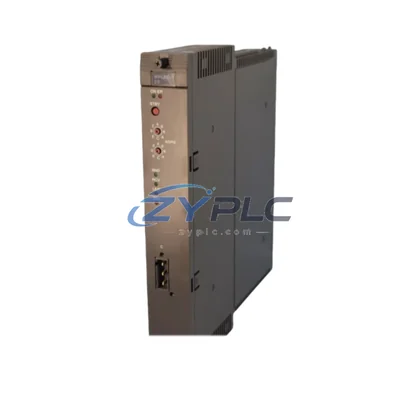
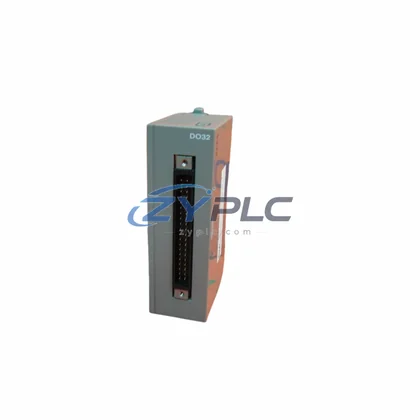
ComAp IG-NTGC-HW 1.3-TO: Industrial Data Link for InteliGen Smart Factory Systems
The ComAp IG-NTGC-HW 1.3-TO is a high-performance gen-set controller from the InteliGen series, engineered to serve as the central communication and control node in industrial power generation networks. Designed for demanding environments where uptime is non-negotiable, this controller integrates seamlessly into modern smart factory architectures — bridging field-level generator assets with upper-layer SCADA platforms, HMI terminals, and enterprise energy management systems.
In today’s industrial landscape, power generation equipment can no longer operate as an isolated island. The IG-NTGC-HW 1.3-TO addresses this challenge directly by acting as a protocol gateway and data concentrator, enabling real-time visibility into generator status, load sharing, fault diagnostics, and AMF (Automatic Mains Failure) sequences — all accessible from centralized monitoring systems without manual intervention on the generator floor.
Compatibility & Integration Notes
| Parameter |
Specification |
| SKU |
IG-NTGC-HW 1.3-TO |
| Brand / Series |
ComAp / InteliGen |
| Communication Protocols |
Modbus RTU, Modbus TCP/IP, CAN bus, IEC 61850 (via gateway), SNMP |
| Interface Types |
RS-232, RS-485, Ethernet (RJ45), CAN, USB |
| Transmission Capability |
Real-time data polling, event logging, alarm relay, remote parameter setting |
| Network Compatibility |
SCADA, DCS, BMS, EMS, HMI, PLC-based control networks |
| System Applications |
AMF, parallel operation, load sharing, island mode, peak shaving, remote monitoring |
| Operating Temperature |
-20°C to +70°C |
| Origin |
Czech Republic |
| Warranty |
Warranty and support terms confirmed before quote — Tested before shipment, Global RFQ sourcing available |
Connected Automation Data Flow
The IG-NTGC-HW 1.3-TO sits at the heart of a layered industrial communication architecture. At the field level, it interfaces directly with the generator’s engine control unit and alternator sensors, collecting real-time parameters such as voltage, frequency, current, oil pressure, coolant temperature, and fuel level. These signals are processed locally and then transmitted upstream via Modbus TCP/IP or RS-485 Modbus RTU to supervisory systems.
In a typical smart factory deployment, the IG-NTGC-HW 1.3-TO connects to a ComAp InteliMains NT mains controller over the CAN bus, enabling coordinated AMF sequences and seamless load transfer between utility and generator power. Alongside it, ComAp InteliVision 5 or InteliVision 8 HMI panels provide operators with a local graphical interface for real-time status monitoring and alarm acknowledgment — eliminating the need for engineers to physically inspect the generator room during fault events.
For multi-genset installations, the IG-NTGC-HW 1.3-TO participates in parallel operation and load sharing via the ComAp CAN extension bus, coordinating with peer controllers such as the InteliGen NT or InteliGen BaseBox units. This architecture supports island mode operation, peak shaving, and automatic load shedding — all managed through a unified communication backbone.
At the network layer, the controller’s Ethernet port connects to plant-wide SCADA platforms — including Wonderware System Platform, Ignition SCADA, or Siemens WinCC — via Modbus TCP/IP, delivering live generator telemetry to control room dashboards. Alarm events are forwarded in real time, enabling operators to respond to generator faults, overload conditions, or mains failures within seconds rather than minutes.
For remote sites or distributed energy assets, the IG-NTGC-HW 1.3-TO integrates with ComAp WebSupervisor cloud monitoring or third-party edge gateways — such as the Moxa MGate MB3480 Modbus-to-Ethernet gateway — to extend visibility beyond the local network. This enables remote diagnostics, parameter adjustments, and firmware updates without dispatching field engineers, significantly reducing operational costs for facilities managing multiple generator sets across geographically dispersed sites.
In broader smart factory contexts, the controller’s data output feeds into energy management systems (EMS) and building management systems (BMS), where generator runtime, fuel consumption, and load profiles are analyzed alongside other utility data. Integration with Schneider Electric EcoStruxure or ABB Ability platforms is achievable through standard Modbus TCP/IP mapping, making the IG-NTGC-HW 1.3-TO a versatile node in heterogeneous industrial networks.
Solving Data Isolation in Industrial Sites
One of the most persistent challenges in industrial power management is data isolation — generator controllers that operate as standalone units, invisible to the plant’s broader automation and monitoring infrastructure. The ComAp IG-NTGC-HW 1.3-TO directly resolves this by providing multi-protocol communication capability that bridges the gap between legacy generator assets and modern IP-based control networks.
Sites running mixed-protocol environments — where PLCs communicate over Profibus or DeviceNet while SCADA systems expect Modbus TCP/IP — benefit from the controller’s flexible interface options. By positioning the IG-NTGC-HW 1.3-TO as the protocol translation point for generator data, engineers eliminate the need for separate protocol converters or custom middleware, reducing both system complexity and potential failure points.
Remote monitoring is another area where this controller delivers measurable value. Rather than relying on periodic manual inspections or reactive maintenance triggered by physical alarms, facilities can configure the IG-NTGC-HW 1.3-TO to push alarm notifications and status updates to SCADA or cloud platforms continuously. This shift from reactive to proactive maintenance reduces downtime and extends generator service life.
Production line transparency is enhanced when generator status data is visible alongside PLC outputs, sensor readings, and drive parameters in a unified SCADA view. Operators gain a complete picture of energy availability and consumption, enabling better load planning and faster fault isolation. For facilities pursuing ISO 50001 energy management certification or Industry 4.0 digital transformation initiatives, the IG-NTGC-HW 1.3-TO provides the connectivity foundation that makes generator assets a visible, manageable part of the smart factory ecosystem.
System expansion is straightforward: additional generator sets can be added to the parallel operation network without reconfiguring the communication architecture, as the CAN bus topology supports multiple controllers in a peer-to-peer arrangement. This scalability protects the initial investment and accommodates future capacity growth without disruptive infrastructure changes.
Industrial Connectivity FAQ
Q1: What communication protocols does the ComAp IG-NTGC-HW 1.3-TO support, and is it compatible with existing SCADA systems?
The IG-NTGC-HW 1.3-TO supports Modbus RTU (RS-485), Modbus TCP/IP (Ethernet), and CAN bus natively. These protocols are universally supported by major SCADA platforms including Ignition, Wonderware, Siemens WinCC, and most DCS/BMS systems, ensuring straightforward integration without custom drivers or middleware.
Q2: How does the controller handle communication latency in time-critical AMF sequences?
The IG-NTGC-HW 1.3-TO is designed for deterministic response in AMF scenarios. Local control logic executes independently of network communication, meaning mains failure detection and generator start sequences are not dependent on SCADA polling cycles. Network telemetry operates in parallel without introducing latency into the protection and control functions.
Q3: Can the IG-NTGC-HW 1.3-TO be integrated into a multi-genset parallel operation network, and how is network stability maintained?
Yes. The controller participates in CAN bus-based parallel operation networks with other InteliGen series units. The CAN bus architecture provides robust, noise-immune communication between controllers, with built-in error detection and fault isolation to maintain network stability even in electrically noisy generator room environments.
Q4: What does the warranty and support terms confirmed before quote cover, and how is pre-shipment testing conducted?
Every IG-NTGC-HW 1.3-TO unit is functionally tested before shipment, covering communication interface verification, I/O channel checks, and firmware integrity. The warranty and support terms confirmed before quote covers manufacturing defects and component failures under normal operating conditions. Global RFQ sourcing is maintained to support rapid replacement and minimize downtime for critical power infrastructure.