
ZYPLC Blog
Bently Nevada 990 Spares: Transmitter Evidence Before a Pump Train Restart
When a pump or fan train returns after maintenance, vibration evidence is often the difference between confidence and guesswork. A Bently Nevada 990 transmitter spare must preserve range, probe-chain behavior, wiring, alarm meaning, and baseline comparison. Otherwise the machine may restart with a working transmitter and an untrusted signal. ZYPLC readers need a practical record […]
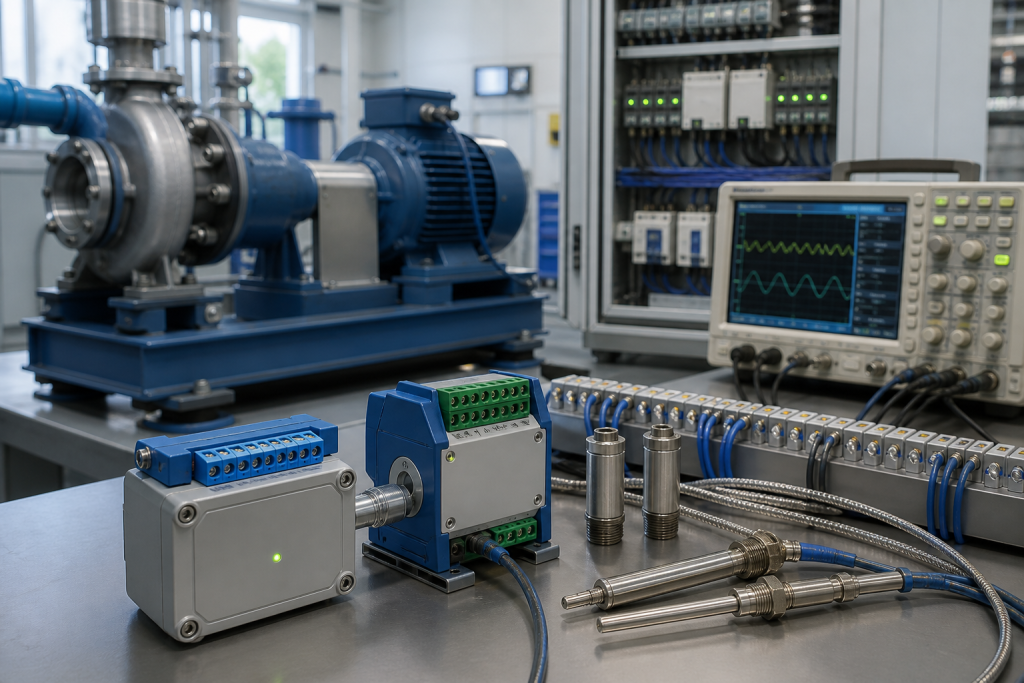
When a pump or fan train returns after maintenance, vibration evidence is often the difference between confidence and guesswork. A Bently Nevada 990 transmitter spare must preserve range, probe-chain behavior, wiring, alarm meaning, and baseline comparison. Otherwise the machine may restart with a working transmitter and an untrusted signal.
ZYPLC readers need a practical record that joins procurement with reliability approval. The transmitter, sensor chain, monitor input, control-system destination, and machine baseline all belong in the same decision. A single model number cannot carry that burden.
Define The Transmitter Function
Record transmitter model, measurement range, probe and Proximitor type, cable length, power, output signal, monitor or PLC input, alarm use, machine tag, bearing location, and the last accepted vibration baseline.
The live Bently Nevada 990 vibration transmitter reference is a product match for the RFQ. Compare range, output, wiring, power, and machine role before approval.
Photograph the transmitter, terminal wiring, power source, input card, probe chain, machine tag, alarm display, and any trend that shows the healthy pre-failure behavior.
Keep The Probe Chain Visible
The transmitter output is only as trustworthy as the probe, sensor, cable, grounding, and mounting behind it. A replacement that ignores the sensor chain can produce a clean-looking but wrong signal.
The related Bently Nevada 330980 Proximitor sensor reference shows why the sensor electronics should be checked alongside the transmitter during selection.
Ask suppliers to quote exact transmitter, repaired exchange, refurbished unit, and sensor-chain options separately, with test scope and accessory assumptions stated.
Restart Around A Baseline Check
After installation, verify power, output scaling, signal stability, alarm response, control-system input, trend continuity, noise level, and comparison with the known healthy baseline.
If the signal changes materially, investigate mounting, cable routing, grounding, actual machine condition, and scaling before accepting or rejecting the spare.
Mark the spare exact, baseline review pending, sensor-chain review pending, bench-tested, substitute, or reliability approval required.
Make The RFQ Easy To Evaluate
Send transmitter labels, range, output type, wiring photos, probe and Proximitor evidence, machine tag, baseline data, condition requirement, test scope, and restart date.
For stored emergency spares, keep transmitter and sensor-chain documentation together so the next outage is not delayed by rediscovering cable length and scaling details.
A supplier quote should identify actual condition, tested status, warranty, dispatch timing, and whether the item is suitable for direct restore or needs engineering review.
Keep direct replacement, repair exchange, refurbished stock, substitute, and migration candidate as separate commercial lines. They carry different approval work, and mixing them under one compatible description hides the real maintenance risk.
The most useful RFQ evidence is practical: actual label photos, cabinet context, connector views, wiring markers, firmware or configuration status, required condition, test expectation, accessory scope, delivery deadline, and the name of the person who can approve a technical exception.
Receiving inspection should repeat the same identity checks used during selection. Photograph the actual received unit, compare terminals and connectors, review test evidence, record packaging condition, and mark any unresolved compatibility question before the item goes into stores.
A spare is ready only when the plant can install it, restore the needed data, test the function, and roll back if the replacement exposes a second problem. Procurement can buy the item; engineering evidence makes it recoverable.
The fastest teams do this before the failure. They keep a light asset sheet for each critical cabinet, update it during routine inspections, and attach photographs from the actual installation. When a failure happens, the buyer can send a serious RFQ in minutes instead of asking maintenance to reopen a hot panel.
Revision control also deserves attention. Two modules with the same family name may differ by firmware, option board, communication behavior, power requirement, connector style, environmental rating, or configuration tool. The quote should surface those differences rather than turning them into surprises during installation.
For multi-site companies, the same model may not mean the same risk. One plant may use the item in a noncritical monitoring role, while another uses it for trip logic, permissive control, machine protection, or an environmental permit signal. Rank spare urgency by installed consequence, not by purchase price alone.
Finally, avoid treating obsolete automation as a single emergency category. Some parts are good direct-spare candidates; others should be repaired, refurbished, tested as exchange units, or migrated at the next planned shutdown. A clear record lets the plant choose deliberately instead of reacting to the first available listing.
Good handover notes matter as much as the purchase order. If the night shift, reliability team, controls engineer, and buyer describe the same spare in different language, the plant can lose hours reconciling facts that should have been captured once.
FAQ
What must match on a Bently Nevada 990 spare?
Match transmitter range, power, output, wiring, probe chain, monitor or PLC input, alarms, and machine baseline requirement.
Can the transmitter be ordered without probe data?
It can be quoted, but acceptance risk is higher unless probe, Proximitor, cable length, grounding, and scaling are known.
What evidence helps sourcing?
Labels, wiring photos, output range, sensor-chain details, machine tag, trend baseline, condition requirement, and deadline.
What proves restart readiness?
Stable output, correct scaling, alarm response, control-system visibility, clean trend behavior, and reliability approval.
Send ZYPLC the transmitter labels, probe-chain details, wiring and trend evidence, condition requirement, and restart deadline. We can help prepare a controlled Bently Nevada 990 spare RFQ.
© 2026 ZYPLC. All rights reserved. Official Website: https://zyplc.com Inquiry: plc.sales@zyplc.com | WhatsApp/Tel: +86 19859288691
Continue reading
Related sourcing guides
 Aug 21, 2026
Bently Nevada 3300 Spares: Probe and Proximitor Evidence Before Pump Restart
A pump train restart can be delayed by one weak vibration channel if the probe, extension cable, proximitor, rack card, and gap evidence are not treated as one measurement chain. Bently Nevada 3300 spares should be specified from the installed machine outward. ZYPLC readers support rotating equipment where a single unreliable proximity signal can hold […]
 Jul 17, 2026
990 Series Vibration Transmitters: Replacement Evidence for the Field
A vibration transmitter is often treated as a simple signal converter until a compressor, fan, pump, or motor loses its trend and alarm path. The replacement decision depends on the sensor chain, power, output type, mounting, range, calibration, and control-system input. A transmitter that produces a signal is not necessarily producing the right signal. ZYPLC […]