ZYPLC Blog
Foxboro I/A Bus Spares: Connector Evidence Before a DCS Restart
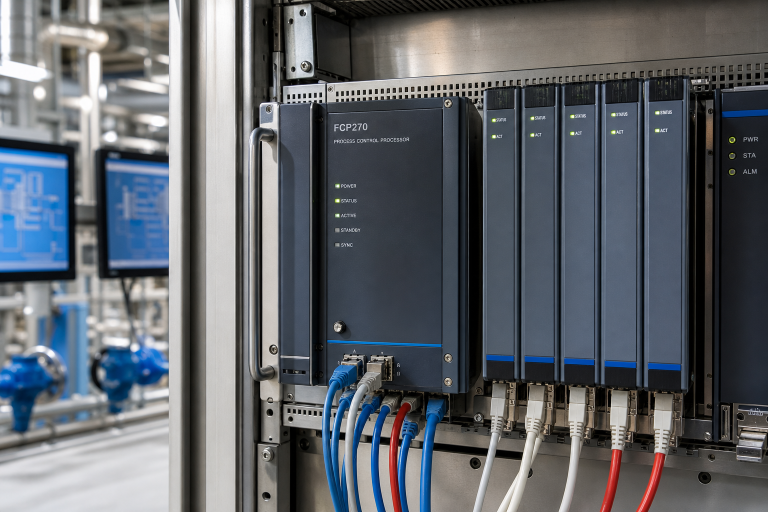
A Foxboro I/A Series restart problem can begin with something small: a bus connector, cable, terminal contact, or interface module that looks harmless until a cabinet is powered back up. The spare plan should therefore follow the cabinet communication path, not only the module family. ZYPLC readers often maintain process units where a DCS cabinet […]
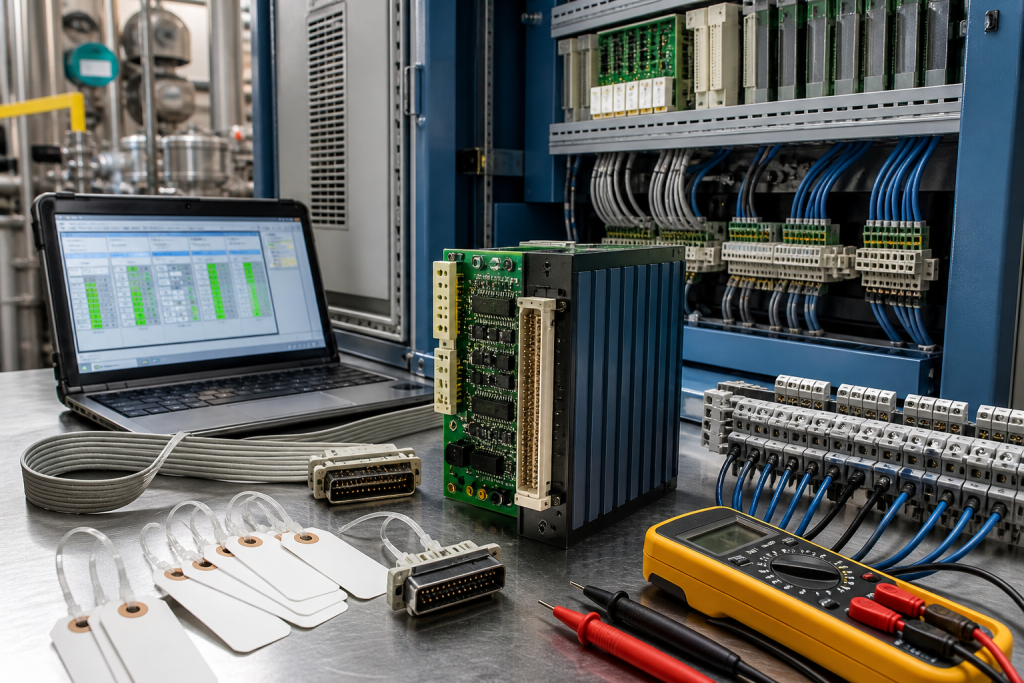
A Foxboro I/A Series restart problem can begin with something small: a bus connector, cable, terminal contact, or interface module that looks harmless until a cabinet is powered back up. The spare plan should therefore follow the cabinet communication path, not only the module family.
ZYPLC readers often maintain process units where a DCS cabinet restart must happen inside a planned outage. A missing connector or wrong interface detail can turn a routine replacement into a longer production delay.
Trace The Bus Path First
Record cabinet, rack, bus path, connector type, cable route, interface module, fieldbus or node role, terminal block, power path, diagnostic state, and affected process area.
The live Foxboro P0961BS bus connector is a product match when the RFQ is about cabinet interconnect evidence rather than only a controller or FBM.
Photograph connector faces, cable tags, rack slots, terminals, bus hardware, module labels, cabinet drawings, and workstation diagnostics before the shutdown window closes.
Interface Modules Define The Restart Test
A connector may restore physical continuity while the output interface, field wiring, or module diagnostics still prevent the process from returning to normal.
The related Foxboro FBM215 output interface shows why bus hardware and I/O interface evidence should be reviewed together.
Ask suppliers for actual photos, condition, connector integrity, terminal scope, cable inclusion, tested status, and whether any substitute changes the restart procedure.
Restart Evidence Should Be Written Before The Purchase
After replacement, verify cabinet power, bus continuity, module recognition, I/O diagnostics, output behavior, alarms, operator visibility, and a controlled restart test.
If the restart is unstable, check seating, cable strain, terminal continuity, power quality, grounding, and adjacent interface modules before rejecting the spare.
Keep bus photos, connector notes, module diagnostics, cable evidence, and restart approval with the spare record.
Procurement Evidence That Should Travel With The Spare
Send connector and module labels, cabinet photos, cable route, terminal details, symptom history, required condition, test scope, and restart deadline.
Small bus parts should be treated as critical spares when the cabinet cannot be restarted without them. The RFQ should say whether cable assemblies or only connector hardware are required.
For substitutes, ask exactly what changes: physical fit, cable routing, terminal scope, diagnostic behavior, and restart-test method.
The practical discipline is to keep identity, function, and acceptance separate. Identity proves what the item is. Function proves what the plant expects it to restore. Acceptance proves the maintenance team has a credible way to put the asset back into service.
This matters most on older PLC, DCS, SIS, HMI, drive, and protection systems because the same family name can hide different firmware, terminals, power paths, suffixes, accessories, or configuration assumptions. A correct purchase starts with the installed evidence, not with a copied description.
Ask for actual-item photographs when the outage window is short. Front labels, side labels, connector faces, terminal assemblies, memory devices, latches, and LED panels often reveal details that a catalog title misses.
Condition language should be explicit. New surplus, factory sealed, refurbished, repaired exchange, tested used, and untested used items carry different risks. Procurement should compare condition and test scope before comparing price or lead time.
Accessory scope is another common failure point. Terminal blocks, cables, mounting brackets, memory cards, connector kits, batteries, license media, and parameter backups may not be included with the base hardware. Name those items before the purchase order is approved.
A useful RFQ also names the fallback. If the item fails bench checks or field acceptance, the plant should know whether it will reinstall the old part, use a repaired exchange, isolate a noncritical function, or escalate the case to a migration review.
The best spare records are boring in the right way. They contain enough photos, model evidence, wiring notes, configuration references, and acceptance criteria that a night-shift engineer can understand the decision without calling everyone who attended the original meeting.
For global plants, this also reduces avoidable back-and-forth with procurement. A supplier can respond faster when the request separates the mandatory match points from the nice-to-have preferences and states which uncertainty requires engineering approval.
Do not let a successful bench power-up become the whole acceptance plan. Bench checks are useful, but the real question is whether the item restores the installed function in the rack, cabinet, loop, axis, network, or safety channel where it will be used.
When lifecycle pressure is building, a spare purchase can also become a migration signal. If exact replacements are scarce, test evidence is weak, or substitutes require heavy engineering review, record that fact so the next budget discussion is based on maintenance reality rather than surprise downtime. Evidence compounds.
FAQ
What must match on a Foxboro I/A bus connector spare?
Match connector type, cable path, cabinet role, rack location, terminal scope, adjacent interface module, and restart test.
Can a similar connector be used?
Only after physical fit, pinout, cable route, terminal requirement, and DCS restart behavior are confirmed.
What should the RFQ include?
Send labels, connector photos, cable tags, cabinet location, module diagnostics, condition requirement, and restart deadline.
What proves recovery?
Stable bus continuity, recognized modules, healthy diagnostics, restored output behavior, clear alarms, and approved restart testing.
Send ZYPLC the Foxboro connector labels, cable photos, cabinet role, diagnostics, condition requirement, and restart deadline. We can help prepare a precise I/A Series bus spare RFQ.
© 2026 ZYPLC. All rights reserved. Official Website: https://zyplc.com Inquiry: sales@zyplc.com | WhatsApp/Tel: +86 18359293191
Continue reading