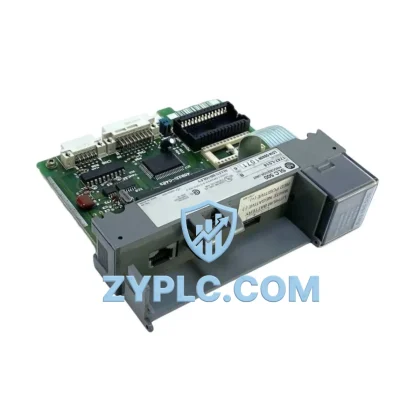
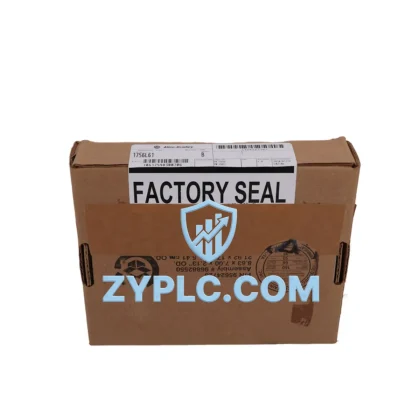
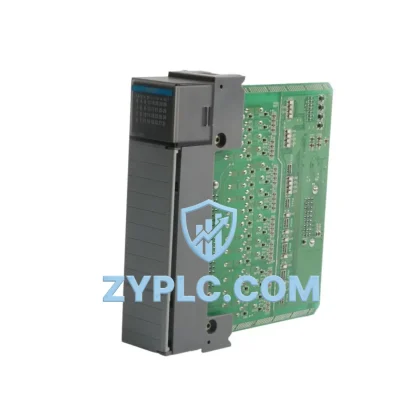
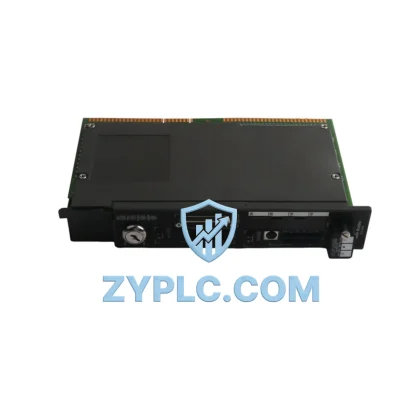
ABB 1SAP121200R0071 Energy-Saving PLC CPU for AC500 Automation
The ABB 1SAP121200R0071 PM556-TP-ETH is a high-performance CPU module engineered for the AC500 programmable logic controller platform. Designed to meet the rigorous demands of modern industrial automation, this module delivers precise, energy-aware control across a wide range of manufacturing and process environments. With its integrated Ethernet interface, the PM556-TP-ETH enables seamless connectivity to supervisory systems, energy monitoring networks, and distributed I/O architectures — making it a cornerstone component for factories committed to reducing operational energy consumption and maximizing equipment utilization.
In energy-intensive production environments, the efficiency of the central processing unit directly influences the overall power profile of the control system. The PM556-TP-ETH executes control programs with minimal cycle overhead, ensuring that actuators, drives, and field devices receive timely, accurate commands without unnecessary processing delays. This tight execution discipline reduces idle energy states, shortens machine cycle times, and contributes to measurable improvements in overall equipment effectiveness (OEE).
Efficiency Performance Table
| Parameter |
Specification |
| SKU / Part Number |
1SAP121200R0071 / PM556-TP-ETH |
| Brand |
ABB |
| Series |
AC500 |
| Product Type |
PLC CPU Module |
| Communication Interface |
Ethernet (built-in), CS31 bus compatible |
| Program Memory |
Up to 1 MB user program memory |
| Cycle Time |
Optimized for fast scan cycles (<1 ms typical) |
| Operating Voltage |
24 V DC |
| Power Consumption |
Low-power design, optimized for 24 V DC rail efficiency |
| Operating Temperature |
-25°C to +60°C |
| Compatible Systems |
ABB AC500 I/O modules, AC500-eCo, AC500-S safety |
| Application Environment |
Discrete manufacturing, process control, energy management, building automation |
| Energy Optimization Value |
Reduces idle processing overhead; enables demand-responsive control logic |
| Origin |
Germany |
| Warranty |
12-Month Warranty |
| Stock Status |
Available — pre-shipment functional testing included |
Energy-Aware Automation Architecture
The PM556-TP-ETH operates at the heart of an energy-aware control architecture. When paired with the ABB TB541-ETH terminal base, the module mounts securely and interfaces cleanly with the AC500 backplane, minimizing resistive losses at the connection layer. For applications requiring expanded analog signal acquisition — such as monitoring motor current draw, temperature gradients, or pressure differentials — the AI523 analog input module integrates directly into the same rack, feeding real-time process data to the CPU for energy-responsive control decisions.
On the output side, the AO523 analog output module translates CPU commands into precise 4–20 mA or 0–10 V signals, enabling variable-speed drives and proportional control valves to operate at exactly the setpoint required — no more, no less. This eliminates the energy waste associated with fixed-speed or on/off control strategies. For digital I/O expansion, the DC532 digital combined module provides additional input and output channels, allowing the PM556-TP-ETH to supervise a broader field device network without requiring additional CPU resources.
Network integration is handled through the CI590-CS31 communication interface module, which bridges the AC500 CPU to CS31 remote I/O stations distributed across the plant floor. For PROFINET-based architectures, the CM579-PNIO communication module extends the PM556-TP-ETH’s connectivity to third-party drives, sensors, and energy meters on the PROFINET network. This interoperability is critical for factories implementing unified energy monitoring across heterogeneous equipment fleets.
In drive-intensive applications — such as conveyor systems, pump stations, or compressor banks — the PM556-TP-ETH coordinates with ABB ACS series variable frequency drives via Modbus TCP or PROFINET, dynamically adjusting motor speed in response to load demand signals. The DA501 data adapter module further extends diagnostic visibility, enabling the CPU to log drive operating hours, fault histories, and energy consumption data for predictive maintenance analysis. Complementing this, the PM564-TP-ETH CPU module can serve as a redundant or zone controller in larger plant topologies, with the PM556-TP-ETH acting as the primary energy management node.
For safety-critical zones, the AC500-S safety CPU modules operate in parallel with the PM556-TP-ETH, handling emergency stop logic and safety-rated I/O while the standard CPU manages energy optimization routines. This separation of safety and efficiency functions ensures that energy-saving strategies — such as load shedding during peak tariff periods — never compromise personnel or equipment protection.
Power Optimization in Real Production Lines
In real-world production environments, the PM556-TP-ETH delivers energy savings through several complementary mechanisms. First, its fast scan cycle ensures that motor start/stop commands are executed with minimal latency, reducing the duration of high-inrush current events that contribute disproportionately to peak demand charges. By coordinating motor sequencing across multiple production zones, the CPU prevents simultaneous motor starts — a common source of demand spikes in facilities with multiple conveyor lines or pump systems.
Second, the PM556-TP-ETH supports structured energy monitoring routines that aggregate consumption data from field-level power meters and transmit it to SCADA or MES systems via Ethernet. This data pipeline enables production managers to identify energy-intensive process steps, correlate consumption with production output, and implement targeted efficiency improvements. Over a typical production shift, factories using demand-responsive PLC control strategies report reductions in specific energy consumption of 8–15% compared to fixed-schedule control approaches.
Third, the module’s support for scheduled task execution allows energy management programs — such as compressed air pressure reduction during non-production periods, lighting control based on occupancy signals, or HVAC setpoint adjustment during shift transitions — to run autonomously without operator intervention. This autonomous energy management capability reduces reliance on manual procedures and ensures consistent application of energy-saving protocols across all shifts.
Maintenance costs are also reduced through the PM556-TP-ETH’s diagnostic capabilities. The module continuously monitors its own operating parameters and those of connected I/O modules, flagging anomalies such as communication timeouts, voltage deviations, or module temperature exceedances before they escalate into unplanned downtime events. Predictive maintenance alerts generated by the CPU allow maintenance teams to schedule interventions during planned stops, avoiding the energy and productivity losses associated with emergency repairs.
All units supplied by ZYPLC undergo pre-shipment functional testing to verify communication integrity, I/O response, and program execution performance. Each PM556-TP-ETH is covered by a 12-month warranty, with inventory maintained for immediate dispatch to minimize production line downtime.
Energy Optimization FAQ
Q1: How does the PM556-TP-ETH contribute to measurable energy savings on the production line?
The PM556-TP-ETH enables demand-responsive control by executing energy management logic at fast scan rates. When integrated with power monitoring I/O modules such as the AI523 and connected to variable frequency drives via PROFINET or Modbus TCP, the CPU can dynamically adjust motor speeds, sequence equipment starts to avoid demand peaks, and shed non-critical loads during high-tariff periods. Factories implementing these strategies typically achieve 8–15% reductions in specific energy consumption.
Q2: Is the 1SAP121200R0071 compatible with existing ABB AC500 installations?
Yes. The PM556-TP-ETH is fully compatible with the AC500 terminal base ecosystem, including the TB541-ETH terminal base and all standard AC500 I/O modules such as the DC532, AI523, and AO523. It also supports CS31 remote I/O via the CI590-CS31 interface module and PROFINET connectivity via the CM579-PNIO module, making it suitable for both new installations and upgrades to existing AC500 systems.
Q3: Can this module replace an older AC500 CPU without reprogramming?
In most cases, the PM556-TP-ETH can replace earlier AC500 CPU modules with minimal configuration changes, as it maintains compatibility with the AC500 programming environment (Automation Builder / CoDeSys). Program migration should be validated in a test environment before deployment. ZYPLC recommends consulting the ABB AC500 compatibility matrix or contacting our technical team for guidance on specific replacement scenarios.
Q4: What does the 12-month warranty cover, and what is the testing process before shipment?
Every 1SAP121200R0071 PM556-TP-ETH supplied by ZYPLC undergoes pre-shipment functional testing covering communication interface verification, I/O bus integrity, and basic program execution. The 12-month warranty covers manufacturing defects and functional failures under normal operating conditions. Warranty claims are processed through ZYPLC’s technical support team, with replacement units dispatched from stock to minimize customer downtime.
© 2026 ZYPLC. All rights reserved.
Original Source: https://zyplc.com
Contact: +86 19859288691 | plc.sales@zyplc.com