ABB 3BHE022294R0103 Energy-Saving Excitation Controller | Unitrol: Precision Efficiency Control for Industrial Automation
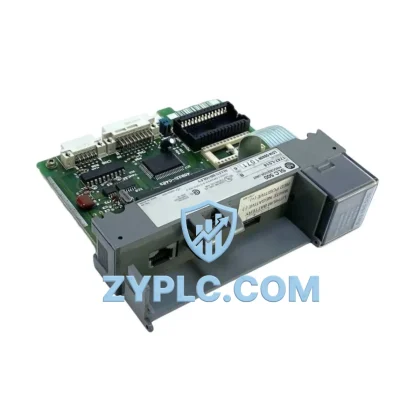
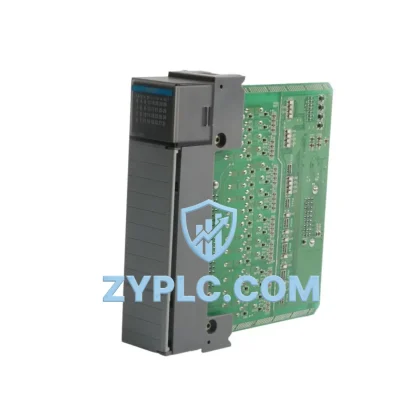
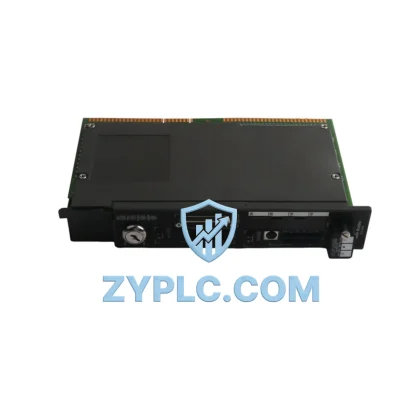
The ABB 3BHE022294R0103 GFD233A is a high-performance excitation controller module from ABB’s renowned Unitrol series, engineered to deliver precise reactive power regulation, voltage stabilization, and energy-efficient generator excitation in demanding industrial environments. Designed for synchronous generators and large-scale motor drive systems, this module plays a pivotal role in reducing unnecessary energy consumption, minimizing reactive power losses, and extending the operational lifespan of rotating machinery across power generation, petrochemical, steel, and heavy manufacturing facilities.
In modern production lines where energy costs and equipment uptime directly impact profitability, the 3BHE022294R0103 GFD233A provides the closed-loop excitation control intelligence needed to keep generators operating at optimal power factor. By continuously adjusting field current in response to load variations, it eliminates the energy waste associated with over-excitation and under-excitation conditions — translating directly into measurable reductions in kWh consumption per production cycle.
Efficiency Performance Table
| Parameter |
Specification / Value |
| SKU / Part Number |
3BHE022294R0103 GFD233A |
| Brand / Series |
ABB / Unitrol |
| Module Type |
Excitation Controller Module |
| Power Consumption |
Low-power digital control architecture; optimized for minimal self-consumption |
| Operating Efficiency |
High-efficiency closed-loop AVR (Automatic Voltage Regulator) control |
| Compatible Systems |
ABB Unitrol 5000 / 6000 series excitation systems; synchronous generators; large AC drives |
| Application Environment |
Power plants, petrochemical, steel mills, cement, water treatment, heavy industry |
| Energy-Saving Value |
Eliminates reactive power waste; optimizes power factor; reduces generator thermal losses |
| Origin |
Switzerland (CH) |
| Warranty |
12-Month Warranty — tested and verified before shipment |
| Stock Status |
In Stock — ready for immediate dispatch |
Energy-Aware Automation Architecture
The ABB 3BHE022294R0103 GFD233A does not operate in isolation — it is the excitation intelligence at the heart of a broader energy-aware automation architecture. In a typical high-efficiency power generation or motor control system, this module works in concert with a range of complementary ABB Unitrol and industrial automation components to form a fully integrated energy optimization loop.
At the drive layer, ABB ACS880 and ACS580 series variable frequency drives (VFDs) regulate motor speed and torque in response to real-time load demand, dramatically cutting energy consumption during partial-load operation. The excitation controller module synchronizes with these drives through the plant’s control backbone — typically an ABB AC500 series PLC or a Symphony Plus DCS — ensuring that generator output voltage and reactive power are continuously matched to the actual load profile of the production line.
Power quality and energy flow are monitored upstream by ABB M2M power meters and EQ meters, which feed real-time kWh, power factor, and harmonic distortion data back to the control system. This data loop allows the 3BHE022294R0103 to make dynamic excitation adjustments that prevent reactive power surges — a common source of hidden energy waste in facilities running multiple large motors simultaneously.
At the I/O and signal conditioning layer, ABB CI854 communication interface modules and TB820 Modulebus optical link modules ensure low-latency data exchange between the excitation controller and the plant’s PROFIBUS or PROFINET network. This tight integration with the communication infrastructure enables predictive maintenance algorithms running on the AC500 PLC to detect early signs of excitation system degradation — such as field winding resistance drift or AVR response time deviation — before they escalate into unplanned downtime events.
For HMI and operator visibility, ABB CP600 series operator panels provide real-time excitation status, power factor trends, and alarm management directly on the plant floor. Operators can monitor the generator’s reactive power output, field current levels, and voltage regulation performance without leaving the production area — enabling faster response to load changes and reducing the risk of energy-inefficient manual interventions.
The complete architecture — from the 3BHE022294R0103 GFD233A excitation controller through the ACS880 drives, AC500 PLC, CI854 communication modules, M2M power meters, and CP600 HMI panels — forms a closed-loop energy management system capable of sustaining optimal power factor across variable production loads, shift changes, and seasonal demand fluctuations.
Power Optimization in Real Production Lines
In a steel mill running continuous casting operations, uncontrolled generator excitation can result in reactive power swings that increase transformer losses, trigger harmonic disturbances across the plant bus, and force the facility to pay significant reactive energy penalties to the grid operator. The ABB 3BHE022294R0103 GFD233A addresses this directly by maintaining tight voltage regulation (typically ±0.5% or better) across the full load range of the generator, ensuring that reactive power is supplied precisely where and when it is needed — and not wasted as heat in the field winding or transformer core.
In petrochemical facilities where large synchronous motors drive compressors and pumps, the excitation controller’s power factor correction capability reduces the apparent power demand on the facility’s main transformer, effectively increasing the available active power capacity without requiring capital investment in additional transformer capacity. This is a direct, measurable energy efficiency gain that reduces both operating costs and carbon footprint.
For cement plants and mining operations running high-inertia ball mills and crushers, the 3BHE022294R0103 excitation system’s fast transient response — enabled by its digital AVR control algorithm — prevents voltage dips during motor starting events. These voltage dips, if uncontrolled, force other motors on the same bus to draw higher currents to maintain torque, creating a cascade of energy waste across the production line. By stabilizing bus voltage during starting transients, the excitation controller reduces peak demand charges and improves overall production line energy efficiency.
Predictive maintenance integration further enhances the energy optimization value of this module. By logging excitation current trends, AVR output history, and field voltage data over time, maintenance teams can identify gradual degradation in generator insulation or brush gear condition weeks before a failure occurs. Planned maintenance interventions are far less costly — in both downtime and energy terms — than emergency repairs following an unplanned trip. The 3BHE022294R0103 GFD233A supports this predictive maintenance approach through its diagnostic data outputs, which integrate seamlessly with ABB’s asset monitoring platforms.
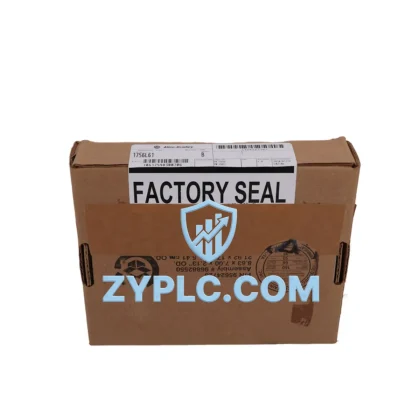
Every unit supplied by ZYPLC undergoes full functional testing prior to shipment, including excitation response verification, AVR setpoint calibration check, and communication interface validation. This pre-shipment testing protocol ensures that the module performs to ABB factory specifications from the moment it is installed — eliminating the energy waste and production disruption associated with commissioning a faulty replacement part.
Energy Optimization FAQ
Q1: How does the ABB 3BHE022294R0103 GFD233A reduce energy consumption in generator systems?
The module’s digital AVR continuously adjusts field current to maintain optimal power factor and voltage stability across varying load conditions. By preventing over-excitation and reactive power waste, it reduces generator thermal losses and lowers the facility’s reactive energy charges — delivering measurable kWh savings in continuous operation environments.
Q2: Is the 3BHE022294R0103 compatible with existing ABB Unitrol excitation systems?
Yes. The GFD233A module is designed for integration within ABB Unitrol 5000 and 6000 series excitation systems. It is compatible with ABB’s standard excitation control architecture and communicates via the system’s internal Modulebus. Always verify the specific Unitrol system version and hardware configuration with your engineering team before installation.
Q3: What is the recommended replacement and testing procedure for this excitation controller module?
Before replacement, record the existing AVR setpoints, power factor reference values, and excitation current limits from the outgoing module. After installing the 3BHE022294R0103 GFD233A, perform a no-load voltage build-up test, verify AVR response under step load changes, and confirm power factor regulation performance at rated load. ZYPLC provides pre-tested units with verified excitation response, reducing commissioning time significantly.
Q4: What warranty and after-sales support does ZYPLC provide for this module?
All ABB 3BHE022294R0103 GFD233A units supplied by ZYPLC are covered by a 12-month warranty from the date of shipment. Each unit is functionally tested before dispatch. In the event of a warranty claim, ZYPLC provides technical support and replacement coordination. For urgent requirements, in-stock units are available for immediate shipment to minimize production downtime.
© 2026 ZYPLC. All rights reserved.
Original Source: https://zyplc.com
Contact: +86 19859288691 | plc.sales@zyplc.com