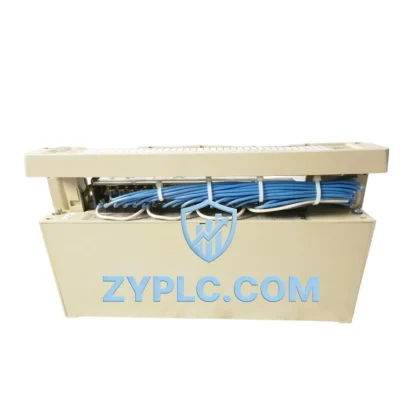
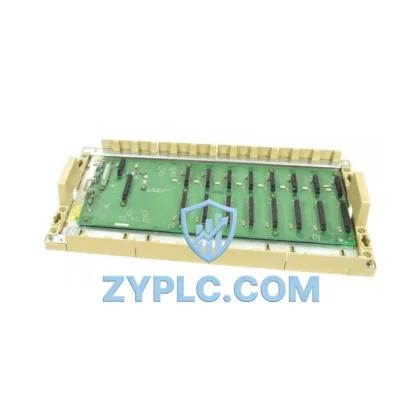
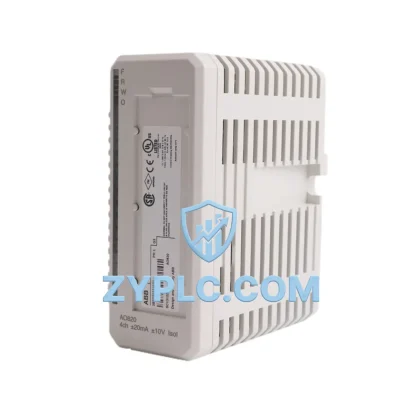
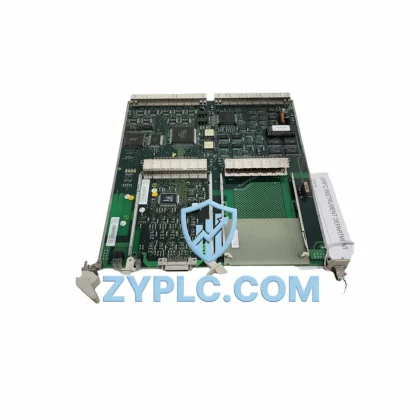
ABB 3HAC4545-1 Energy-Saving Robot Shaft for IRB 6600: Precision Drive Control for Optimized Automation
The ABB 3HAC4545-1 is a high-precision shaft module engineered specifically for the ABB IRB 6600 series industrial robot platform. Designed to operate within ABB’s demanding heavy-payload automation architecture, this component plays a critical role in maintaining mechanical transmission accuracy, reducing rotational energy loss, and sustaining consistent cycle performance across high-duty production environments. Whether deployed in automotive body welding lines, foundry handling, or heavy-part palletizing, the 3HAC4545-1 directly influences how efficiently the robot converts electrical drive energy into controlled mechanical output.
In modern industrial facilities where energy cost and equipment uptime are key performance indicators, every mechanical component in the drive chain matters. A worn or mismatched shaft module introduces micro-vibrations, increases bearing load, and forces the robot’s servo drive system to compensate — consuming additional current and accelerating thermal wear. The ABB 3HAC4545-1 eliminates these inefficiencies by restoring the mechanical baseline that the IRB 6600’s motion controller and servo amplifier were calibrated to operate against.
Efficiency Performance Table
| Parameter |
Specification / Value |
| Part Number |
3HAC4545-1 |
| Compatible Platform |
ABB IRB 6600 Series (IRB 6600-175/2.55, IRB 6600-225/2.55) |
| Component Type |
Robot Axis Shaft Module — Mechanical Drive Transmission |
| Drive Efficiency Impact |
Restores rated torque transmission efficiency; reduces servo compensation current draw |
| Operating Environment |
Industrial automation: automotive, foundry, heavy-part handling, palletizing |
| Energy Optimization Value |
Reduces mechanical drag losses; lowers idle-state current consumption in servo axis |
| Compatible Control System |
ABB IRC5 Controller with DSQC series drive modules |
| Compatible Communication |
DeviceNet, PROFIBUS, EtherNet/IP (via IRC5 fieldbus adapters) |
| Origin |
Sweden (ABB Robotics) |
| Warranty |
12-Month Warranty |
| Stock Status |
In Stock — Pre-shipment tested, ready to dispatch |
Energy-Aware Automation Architecture
The ABB IRB 6600 robot system is built around a tightly integrated energy and motion control architecture. At its core, the ABB IRC5 controller manages all axis motion through coordinated servo drive modules — typically the DSQC 661 or DSQC 663 drive units — which regulate current delivery to each axis motor based on real-time load feedback. When the mechanical transmission components, including the shaft module 3HAC4545-1, are in optimal condition, the drive system operates within its rated efficiency band, minimizing reactive current and heat generation.
The shaft module interfaces directly with the axis gearbox assembly — often the ABB 3HAC17484-1 gearbox unit used in IRB 6600 axis configurations — and the motor coupling flange. Any mechanical play or surface wear in this interface forces the ABB servo motor (such as the 3HAC17484-1 motor assembly) to generate corrective torque pulses, which the IRC5’s motion controller registers as axis deviation and compensates for through increased current output. Over time, this compensation cycle shortens the service life of both the drive module and the motor winding insulation.
From a system-level perspective, the 3HAC4545-1 also interacts with the robot’s SMB (Serial Measurement Board) — specifically the DSQC 233 or DSQC 369 resolver interface boards — which track axis position and velocity. Mechanical shaft runout or imbalance introduces noise into the resolver signal, degrading position accuracy and triggering more frequent PID correction cycles in the motion controller. Replacing the shaft module with a genuine ABB 3HAC4545-1 restores clean resolver feedback, allowing the IRC5 to execute smoother, lower-energy motion profiles.
For facilities running energy monitoring at the panel level, integrating the robot cell with a power monitoring relay or an ABB-compatible energy meter (such as those communicating via Modbus RTU or PROFIBUS DP) allows maintenance teams to benchmark current draw before and after shaft replacement — providing measurable evidence of efficiency recovery. When combined with the IRC5’s built-in FlexPendant diagnostics and the RobotStudio simulation environment, engineers can model the expected energy savings from restoring mechanical drive integrity across a multi-robot production cell.
In multi-axis configurations where the IRB 6600 operates alongside ABB IRBP positioners or external conveyor synchronization systems managed by a Siemens S7-1500 PLC or Allen-Bradley ControlLogix controller, shaft-induced vibration can propagate timing errors across the entire line. A properly seated 3HAC4545-1 eliminates this mechanical noise source, allowing the upstream PLC and downstream robot controller to maintain tighter synchronization windows — directly improving line throughput and reducing inter-cycle idle time.
Power Optimization in Real Production Lines
In high-cycle automotive welding and assembly environments, the IRB 6600 may execute 80,000 to 120,000 motion cycles per year. Each cycle involves acceleration, deceleration, and hold phases across multiple axes. When the shaft module is worn, the robot’s servo system must apply additional torque to overcome mechanical friction and maintain path accuracy — a process that increases per-cycle energy consumption by a measurable margin across the fleet.
Replacing the 3HAC4545-1 shaft module as part of a scheduled predictive maintenance interval — rather than waiting for a fault-triggered shutdown — prevents the cascading failure pattern where shaft wear leads to gearbox damage, which then requires a far more extensive and costly repair. Facilities that track Mean Time Between Failures (MTBF) for their robot axes consistently report that proactive shaft replacement at recommended service intervals reduces unplanned downtime by a significant factor compared to reactive maintenance strategies.
From an energy standpoint, restoring the mechanical drive chain to OEM specification reduces the average axis current draw during loaded motion, lowers the thermal output of the drive cabinet, and reduces the cooling load on the IRC5 controller enclosure. In a production cell running three or more IRB 6600 units continuously, these per-unit savings aggregate into meaningful reductions in monthly energy consumption — improvements that are directly visible in facility-level power monitoring dashboards.
All units supplied by ZYPLC undergo pre-shipment functional inspection and load testing to verify dimensional accuracy and surface finish compliance before dispatch. This ensures that the 3HAC4545-1 installs correctly on the first attempt, avoiding the productivity loss associated with fitment issues or return logistics. Each unit ships with a 12-month warranty covering manufacturing defects, giving maintenance engineers confidence in the component’s reliability over the next service interval.
Energy Optimization FAQ
Q1: How does replacing the 3HAC4545-1 shaft module reduce energy consumption in the IRB 6600?
A worn shaft module increases mechanical friction and introduces runout that forces the IRC5 servo drive to apply compensatory torque on every motion cycle. This raises the average current draw across the affected axis. Replacing the shaft with a genuine ABB 3HAC4545-1 restores the OEM mechanical baseline, allowing the servo drive to operate within its rated efficiency range and reducing unnecessary energy expenditure per cycle.
Q2: Is the ABB 3HAC4545-1 compatible with all IRB 6600 variants?
The 3HAC4545-1 is designed for the ABB IRB 6600 series, including the IRB 6600-175/2.55 and IRB 6600-225/2.55 configurations. Compatibility should be verified against the robot’s serial number and axis configuration using ABB’s spare parts documentation or by consulting with a qualified ABB service engineer before installation.
Q3: What is the recommended replacement interval, and how does it relate to predictive maintenance?
ABB recommends shaft and drive component inspection as part of the robot’s scheduled maintenance program, typically aligned with gearbox oil change intervals. In high-cycle environments (automotive, foundry), earlier inspection is advisable. Integrating shaft condition monitoring into a predictive maintenance workflow — using vibration analysis or IRC5 axis load trend data — allows maintenance teams to schedule replacement before performance degradation becomes measurable in energy consumption or path accuracy.
Q4: What does the 12-month warranty cover, and what is the testing process before shipment?
Every ABB 3HAC4545-1 unit supplied by ZYPLC is covered by a 12-month warranty against manufacturing defects from the date of shipment. Prior to dispatch, each unit undergoes dimensional inspection and functional verification to confirm compliance with ABB OEM specifications. Units that do not meet tolerance requirements are not shipped. In the event of a warranty claim, ZYPLC’s technical team will assess the return and arrange replacement or credit in accordance with the warranty terms.
© 2026 ZYPLC. All rights reserved.
Original Source: https://zyplc.com
Contact: +86 19859288691 | [email protected]