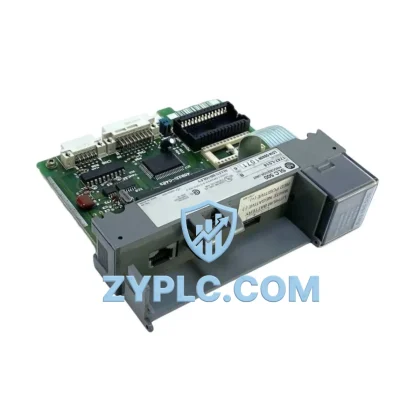
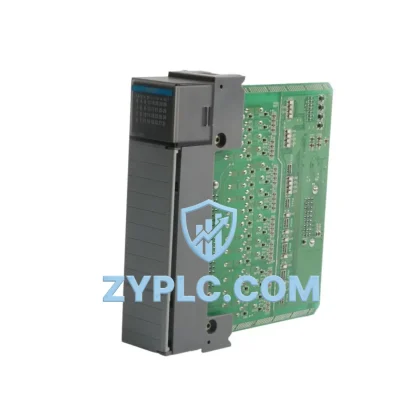
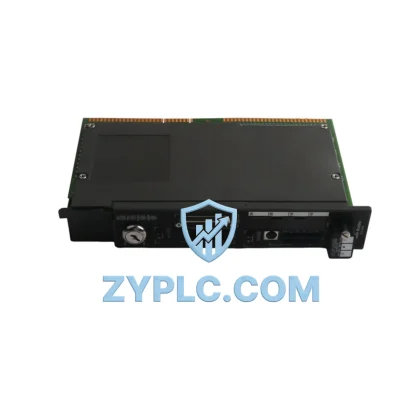
ABB 3HNM09941-1 System-Ready MC Unit for IRC5 Architecture: Control System Architecture and Upstream-Downstream Coordination
The ABB 3HNM09941-1 MC Unit Module is a core motion control component engineered for deployment within the ABB IRC5 robot controller platform. Rather than functioning as a standalone device, this module occupies a critical position within a layered automation architecture — serving as the computational bridge between the main computer unit and the drive system, coordinating signal flow across the control layer, I/O layer, power layer, and execution layer simultaneously. Understanding its role within the full IRC5 system architecture is essential for engineers responsible for system integration, commissioning, and long-term maintenance planning.
Within the IRC5 controller cabinet, the 3HNM09941-1 MC Unit interfaces directly with the IRC5 Main Computer Unit (MCU), receiving high-level motion instructions and translating them into precise, real-time axis control commands. This tight coupling between the main computer and the MC Unit ensures deterministic motion execution — a non-negotiable requirement in robotic welding, material handling, assembly, and precision dispensing applications. The module’s internal architecture supports multi-axis coordination, enabling synchronized movement across all six robot joints without latency accumulation between control cycles.
From a power layer perspective, the 3HNM09941-1 operates in conjunction with the IRC5 Power Unit and the Drive Unit system. The Drive Module receives conditioned motion commands from the MC Unit and converts them into servo drive signals for each axis motor. This signal chain — from the main computer through the MC Unit to the Drive Unit and ultimately to the servo motors — must maintain electrical integrity and timing consistency throughout the robot’s operational life. The 3HNM09941-1 is designed to sustain this chain under continuous industrial duty cycles, including high-frequency start-stop operations common in automotive and electronics manufacturing lines.
At the I/O layer, the MC Unit coordinates with the IRC5 I/O Unit and associated fieldbus communication modules. In installations using DeviceNet, PROFIBUS, or EtherNet/IP communication protocols, the MC Unit manages the timing and sequencing of I/O data exchange, ensuring that sensor feedback, safety interlock signals, and process triggers are processed within the controller’s real-time execution window. This coordination is particularly critical in safety-rated installations where the IRC5 Safety Module must receive confirmed acknowledgment signals before permitting axis motion to resume after an emergency stop event.
For system architects designing redundant or high-availability robotic cells, the 3HNM09941-1 supports hot-swap replacement procedures when the IRC5 cabinet is properly de-energized and the replacement module is pre-configured using RobotStudio or the FlexPendant teach pendant. Maintaining a spare MC Unit — alongside compatible components such as the 3HNM11221-1 and 3HNP03854-1 — as part of a structured spare parts inventory strategy significantly reduces mean time to repair (MTTR) in the event of an unplanned module failure. This approach is widely adopted in automotive body shop installations where robot downtime directly impacts production throughput.
The module is also relevant in multi-robot system architectures where several IRC5 controllers are networked via the MultiMove function. In these configurations, each IRC5 controller — equipped with its own MC Unit — must maintain synchronized motion execution with adjacent controllers. The 3HNM09941-1’s processing architecture supports the timing requirements of MultiMove coordination, making it suitable for complex cooperative robot tasks such as coordinated spot welding or synchronized part transfer between robot pairs.
From a human-machine interface perspective, the IRC5 FlexPendant communicates with the main computer, which in turn relies on the MC Unit to reflect real-time axis status, fault codes, and motion state information back to the operator interface. Accurate MC Unit operation is therefore a prerequisite for reliable HMI feedback — any degradation in MC Unit performance will manifest as erratic status reporting, unexpected fault triggers, or loss of axis position feedback on the FlexPendant display.
Long-term maintenance planning for IRC5-based robotic systems should include periodic inspection of the MC Unit’s connector integrity, firmware version compatibility with the installed RobotWare version, and thermal performance within the controller cabinet. Adequate cabinet ventilation — supported by the IRC5 cooling fan assembly — is essential to maintaining the MC Unit within its rated operating temperature range. Engineers should also verify that the cabinet’s 24VDC logic power supply maintains stable voltage under full I/O load, as voltage fluctuations can affect MC Unit initialization and communication stability.
All units supplied by ZYPLC undergo functional verification testing prior to dispatch, and each 3HNM09941-1 MC Unit Module is covered by a 12-Month Warranty, providing assurance of module integrity and operational readiness. Our inventory management system maintains stock continuity for critical IRC5 components, supporting both planned maintenance schedules and emergency replacement requirements across global industrial installations.
Architecture Specification Table
| Parameter |
Specification |
| System Role |
Motion Control Unit — IRC5 Robot Controller Platform |
| Compatible Controller |
ABB IRC5 Single Cabinet, Compact, and Panel-Mounted Variants |
| Primary SKU |
3HNM09941-1 |
| Compatible Part Numbers |
3HNM11221-1, 3HNP03854-1 |
| Control Layer Function |
Axis motion computation, real-time servo command generation |
| Communication Interfaces |
Internal IRC5 backplane bus; compatible with DeviceNet, PROFIBUS, EtherNet/IP fieldbus modules |
| Logic Supply Voltage |
24 VDC (via IRC5 Power Unit) |
| Operating Temperature |
0°C to +45°C (cabinet ambient, with adequate ventilation) |
| Installation Environment |
IRC5 controller cabinet, DIN rail or backplane-mounted |
| Multi-Axis Support |
Up to 6 axes (standard IRC5 configuration) |
| MultiMove Compatibility |
Supported (coordinated multi-robot configurations) |
| Firmware Compatibility |
RobotWare 5.x / 6.x (verify with installed RobotWare version) |
| Origin |
Sweden |
| Warranty |
12-Month Warranty — all units tested prior to dispatch |
Coordinated Control System Design
The 3HNM09941-1 MC Unit does not operate in isolation — its performance is intrinsically linked to the health and configuration of every other module within the IRC5 controller cabinet. At the control layer, the IRC5 Main Computer Unit (MCU) serves as the primary instruction source, running RobotWare and managing program execution, while the MC Unit handles the real-time motion computation that the MCU delegates. This division of processing responsibility is fundamental to the IRC5 architecture’s ability to maintain deterministic motion control while simultaneously managing communication, I/O processing, and safety monitoring.
The IRC5 Drive Unit and associated Drive Module assemblies receive axis-specific current and torque commands from the MC Unit, converting these into the PWM signals that drive the robot’s servo motors. In a standard six-axis IRC5 installation, the Drive Unit contains multiple drive channels — one per axis — each of which must receive correctly timed commands from the MC Unit to prevent axis synchronization errors during complex path movements.
The IRC5 Power Unit provides the regulated 24 VDC logic supply and the rectified DC bus voltage required by the Drive Unit. Stable power delivery from the Power Unit is a prerequisite for consistent MC Unit operation; any ripple or dropout on the 24 VDC rail can cause the MC Unit to log power fault events or trigger an unplanned system restart. Engineers commissioning IRC5 systems should verify power unit output stability under full cabinet load before finalizing system acceptance testing.
At the I/O layer, the IRC5 I/O Unit — typically an DSQC651 or DSQC652 board — manages digital and analog signal exchange with external process equipment. The MC Unit coordinates the timing of I/O updates within the controller’s real-time cycle, ensuring that process signals such as weld start, gripper open/close, and conveyor synchronization pulses are processed without jitter. In installations using the IRC5 Safety Module (DSQC400), the MC Unit must confirm axis motion state before the safety module permits resumption of automatic operation following a protective stop.
For human-machine interface integration, the IRC5 FlexPendant (TPU) communicates with the main computer over a dedicated USB-based interface, with axis status and fault information ultimately sourced from the MC Unit’s real-time data stream. Operators relying on the FlexPendant for jogging, program editing, and fault diagnosis are therefore dependent on accurate MC Unit operation for reliable interface feedback. In installations where a PC-based operator panel supplements the FlexPendant, RobotStudio’s online monitoring functions similarly depend on MC Unit data integrity for accurate axis visualization.
Fieldbus communication modules — including the DSQC688 DeviceNet Master/Slave and DSQC667 PROFIBUS Adapter — extend the IRC5 controller’s connectivity to external PLCs, SCADA systems, and process instrumentation. The MC Unit’s role in managing the timing of fieldbus data exchange ensures that robot state information is accurately reflected in the external control system, supporting coordinated production line sequencing in automotive, food processing, and electronics assembly environments.
Application in Layered Automation Systems
The ABB 3HNM09941-1 MC Unit Module finds application across a broad range of industrial sectors where the IRC5 robot controller platform is deployed as part of a larger, layered automation architecture.
In automotive manufacturing — particularly body shop and powertrain assembly lines — IRC5-based robots equipped with the 3HNM09941-1 perform spot welding, arc welding, and material handling tasks within tightly synchronized production cells. The MC Unit’s multi-axis coordination capability supports the precise path accuracy required for weld gun positioning and seam tracking, while its compatibility with the IRC5 MultiMove function enables coordinated dual-robot welding of large body panels.
In electronics and semiconductor manufacturing, IRC5 robots handle delicate component placement, dispensing, and inspection tasks where path repeatability and low-speed motion smoothness are critical. The MC Unit’s real-time servo command generation supports the fine motion control required for these applications, and its compatibility with EtherNet/IP fieldbus modules enables integration with MES and quality management systems.
In petrochemical and process industries, IRC5 robots are deployed for hazardous material handling, valve operation, and inspection tasks in environments where human access is restricted. The MC Unit’s robust design supports continuous operation in thermally challenging cabinet environments, and its compatibility with safety-rated IRC5 configurations supports the functional safety requirements of these installations.
In metal fabrication and heavy industry — including steel processing, foundry automation, and mining equipment manufacturing — IRC5 robots perform cutting, grinding, and material transfer tasks that impose high dynamic loads on the motion control system. The 3HNM09941-1’s ability to manage high-frequency axis reversals and coordinated multi-axis movements supports the demanding duty cycles of these applications.
In food and beverage packaging lines, IRC5 robots handle primary and secondary packaging tasks where hygienic design and rapid changeover capability are priorities. The MC Unit’s support for flexible motion programming via RobotWare enables rapid adaptation to new product formats without hardware changes, reducing changeover time and supporting lean manufacturing objectives.
Architecture Engineering FAQ
Q1: Is the 3HNM09941-1 MC Unit compatible with all IRC5 controller variants, and what should I verify before installation?
The 3HNM09941-1 is designed for use within the ABB IRC5 controller platform, including the standard single-cabinet, IRC5 Compact, and IRC5 Panel-Mounted Controller variants. Before installation, engineers should verify RobotWare version compatibility — the MC Unit’s firmware must be aligned with the installed RobotWare release to ensure correct axis configuration and communication protocol support. Additionally, confirm that the replacement unit’s hardware revision matches the original module’s revision level, as hardware revisions may affect connector pinout or backplane interface compatibility. ZYPLC provides pre-dispatch functional verification for all units, and our technical team can assist with compatibility confirmation based on your controller’s serial number and RobotWare version.
Q2: How does the 3HNM09941-1 support system redundancy and minimize downtime in high-availability robotic installations?
In high-availability installations, maintaining a pre-configured spare 3HNM09941-1 MC Unit as part of a structured critical spares inventory is the most effective strategy for minimizing unplanned downtime. The IRC5 architecture supports module-level replacement — the MC Unit can be swapped without replacing the entire controller cabinet — significantly reducing repair time compared to full controller replacement. When combined with a documented replacement procedure and pre-verified firmware configuration, MTTR for MC Unit failures can typically be reduced to under two hours. ZYPLC’s 12-Month Warranty covers all supplied units, providing additional assurance during the initial post-installation period and supporting warranty claim processes if module failure occurs within the coverage period.
Q3: What long-term maintenance practices are recommended to extend the service life of the IRC5 MC Unit in continuous production environments?
Long-term MC Unit reliability depends on maintaining the correct operating environment within the IRC5 controller cabinet. Key maintenance practices include: regular inspection and cleaning of cabinet air filters to ensure adequate airflow across the MC Unit and Drive Unit assemblies; periodic verification of 24 VDC logic supply voltage stability under full I/O load; annual review of RobotWare version compatibility and available firmware updates; and inspection of MC Unit connector integrity, particularly in high-vibration environments. Engineers should also monitor the IRC5 event log for recurring MC Unit fault codes — patterns of intermittent faults often indicate developing connector or thermal issues that can be addressed proactively before causing unplanned downtime. ZYPLC maintains ongoing stock of 3HNM09941-1 and compatible IRC5 components to support both planned maintenance replacements and emergency procurement requirements.
© 2026 ZYPLC. All rights reserved.
Original Source: https://zyplc.com
Contact: +86 19859288691 | plc.sales@zyplc.com