ABB DSQC611 3HAC13389-2 Energy-Saving Contactor Unit for Optimized IRC5 Automation
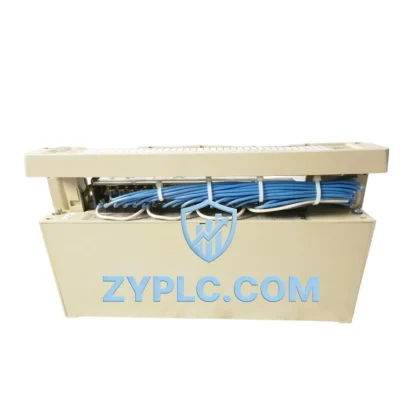
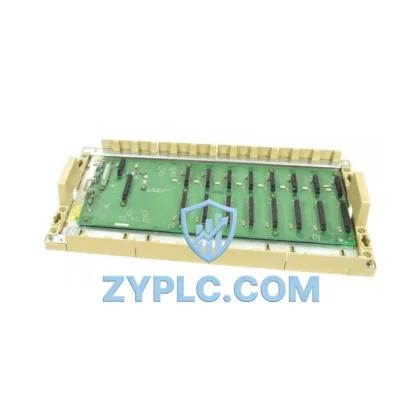
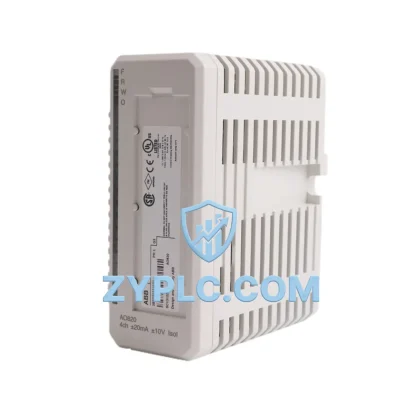
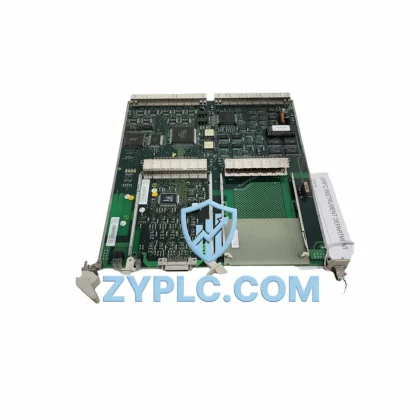
The ABB DSQC611 (3HAC13389-2) is a precision-engineered contactor unit module designed for the ABB IRC5 robot controller platform. In industrial environments where energy efficiency, drive reliability, and production continuity are non-negotiable, this module plays a critical role in managing power switching, motor contactor sequencing, and drive protection within the robot’s power distribution architecture. By ensuring clean, low-loss power engagement and disengagement cycles, the DSQC611 directly contributes to reducing unnecessary energy draw during robot idle states, startup transients, and emergency stop recovery sequences.
For factories operating multi-axis robotic cells — whether in automotive body welding, precision assembly, or material handling — uncontrolled contactor switching is a hidden source of energy waste and mechanical wear. The DSQC611 addresses this by providing reliable, repeatable contactor actuation that minimizes inrush current spikes and reduces thermal stress on downstream drive components. This translates to measurable improvements in overall equipment effectiveness (OEE) and a reduction in unplanned downtime caused by drive faults or power module failures.
Efficiency Performance Table
| Parameter |
Specification / Value |
| SKU / Part Number |
DSQC611 / 3HAC13389-2 |
| Brand |
ABB |
| Series / Platform |
IRC5 Robot Controller |
| Module Type |
Contactor Unit Module |
| Operating Voltage |
24 VDC Control / 400–480 VAC Power |
| Power Switching Efficiency |
Low-loss contactor actuation, minimizes inrush current |
| Compatible Systems |
ABB IRC5 Single / Dual Cabinet, IRB series robots |
| Application Environment |
Automotive, Electronics Assembly, Welding, Material Handling |
| Energy Optimization Value |
Reduces idle-state power draw; prevents drive fault-induced restarts |
| Origin |
Sweden (ABB Robotics) |
| Condition |
Tested & Verified, Ready to Ship |
| Warranty |
12-Month Warranty |
Energy-Aware Automation Architecture
The DSQC611 does not operate in isolation — it is one node in a tightly integrated energy and control architecture within the IRC5 platform. Understanding how it interacts with surrounding components reveals its true value in an energy-optimized production environment.
At the drive level, the IRC5’s DSQC663 Drive Unit and DSQC668 Axis Computer depend on stable, well-sequenced power engagement to maintain servo loop integrity. When the DSQC611 contactor unit executes a clean power-on sequence, it prevents the voltage transients that can trigger protective shutdowns in the drive system — shutdowns that waste energy through unnecessary restart cycles and thermal dissipation. Similarly, the DSQC652 I/O Unit relies on stable bus power, which the contactor unit helps maintain by ensuring orderly power distribution across the controller backplane.
From a system-level perspective, the DSQC679 Teach Pendant and the DSQC1000 Main Computer Unit coordinate robot motion profiles that directly affect energy consumption. When the contactor unit functions correctly, the IRC5 controller can execute energy-saving motion profiles — such as reduced-speed idle trajectories and optimized acceleration ramps — without interruption. A faulty contactor unit, by contrast, forces the system into fault-recovery states that consume disproportionate energy and erode production throughput.
In multi-robot cells, the ABB IRC5 MultiMove Controller synchronizes multiple robot arms on a shared power infrastructure. Here, the DSQC611’s role in clean contactor switching becomes even more critical: a single contactor fault can cascade across the shared DC bus, affecting drive efficiency across all axes simultaneously. Pairing the DSQC611 with the DSQC627 Safety Board ensures that emergency stop sequences are executed with minimal energy waste — the safety board coordinates a controlled power-down rather than an abrupt cut, preserving drive capacitor charge cycles and reducing mechanical brake wear.
For facilities integrating energy monitoring into their automation strategy, the DSQC611’s reliable switching behavior provides a stable baseline for power measurement systems. When combined with external power quality analyzers or Modbus-connected energy meters on the IRC5’s communication network, plant engineers can accurately attribute energy consumption to specific robot operations — a prerequisite for meaningful energy reduction initiatives. The DSQC688 DeviceNet Gateway or DSQC658 Profibus Adapter can bridge the IRC5 to plant-level SCADA or MES systems, enabling real-time energy data aggregation and demand-response optimization.
Power Optimization in Real Production Lines
In a typical automotive stamping or welding line running two shifts per day, robot controllers cycle through hundreds of power-on and emergency-stop sequences per week. Each poorly managed contactor switching event introduces micro-interruptions in the drive power supply, forcing the IRC5’s drive units to re-initialize their internal capacitor banks and re-establish servo reference positions. This process consumes measurable additional energy and, more importantly, adds latency to production restart sequences — directly impacting line takt time and throughput efficiency.
The DSQC611 eliminates this inefficiency by providing consistent, low-bounce contactor actuation. In practice, this means faster restart times after E-stop events, reduced thermal cycling in the drive cabinet, and lower peak demand charges on the facility’s electrical supply. For a cell running 16 hours per day, even a 3–5% reduction in restart-related energy waste can translate to significant annual savings at industrial electricity tariffs.
From a predictive maintenance perspective, the contactor unit is a wear item with a defined switching cycle life. Proactive replacement of the DSQC611 before end-of-life — rather than waiting for a failure-induced production stop — is a best practice that aligns with energy-efficient operations. An unplanned stop not only wastes the energy consumed during the recovery process but also disrupts the thermal equilibrium of the entire production line, forcing upstream and downstream equipment to operate outside their optimal efficiency windows.
All DSQC611 units supplied by ZYPLC are individually tested under load conditions that simulate real IRC5 operating cycles. Each unit is verified for correct contactor actuation timing, coil resistance within specification, and absence of contact welding or pitting. This pre-shipment testing protocol ensures that the module performs to ABB’s original efficiency specifications from the first power-on cycle, eliminating the break-in losses associated with untested or refurbished components. Every unit ships with a 12-month warranty, backed by in-stock inventory for rapid dispatch and minimal production downtime.
Energy Optimization FAQ
Q1: How does replacing a worn DSQC611 improve energy efficiency in my IRC5 robot cell?
A worn contactor unit with degraded contacts increases resistance in the power switching path, generating excess heat and causing intermittent drive faults. Each fault-recovery cycle consumes additional energy and reduces production throughput. A new, tested DSQC611 restores clean switching, eliminates fault-induced restarts, and allows the IRC5 to execute energy-saving motion profiles without interruption.
Q2: Is the DSQC611 (3HAC13389-2) compatible with all IRC5 controller variants?
The DSQC611 is designed for the ABB IRC5 platform, including Single Cabinet, Dual Cabinet, and Panel Mounted Controller (PMC) variants used with IRB series robots. If you are unsure about compatibility with your specific IRC5 revision or robot model, contact ZYPLC with your controller serial number for confirmation before ordering.
Q3: What is the recommended replacement interval, and how do I assess if my current unit needs replacement?
ABB recommends contactor unit inspection as part of the IRC5 annual preventive maintenance schedule. Indicators that replacement is needed include increased E-stop recovery times, drive fault codes related to power supply instability, audible contactor chatter, or elevated cabinet temperatures. ZYPLC recommends proactive replacement at the first sign of degraded switching performance to avoid unplanned downtime.
Q4: What does the 12-month warranty cover, and what is the testing process before shipment?
Every DSQC611 supplied by ZYPLC undergoes functional testing that verifies contactor actuation timing, coil resistance, contact integrity, and control signal response under simulated IRC5 operating conditions. The 12-month warranty covers manufacturing defects and functional failures under normal operating conditions. Units are shipped from in-stock inventory, typically within 1–2 business days, with full traceability documentation available on request.
© 2026 ZYPLC. All rights reserved.
Original Source: https://zyplc.com
Contact: +86 19859288691 | plc.sales@zyplc.com