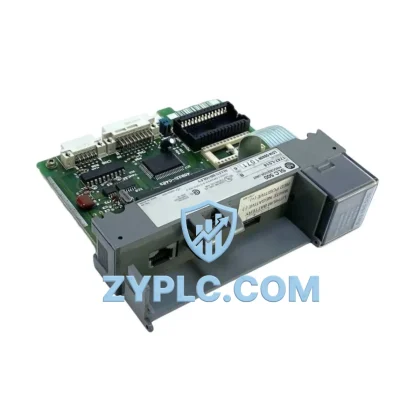
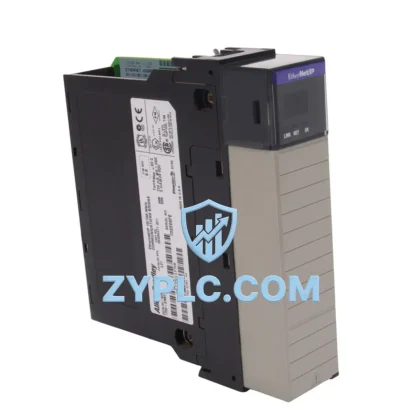
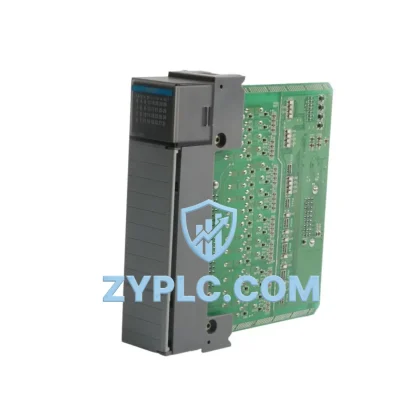
Allen-Bradley 1785-LT3 Energy-Saving PLC-5 Processor: Precision Control for Optimized Production Lines
The Allen-Bradley 1785-LT3 is a high-performance processor module from the legendary PLC-5 series, engineered to deliver deterministic scan-cycle control, reduced energy overhead, and seamless integration into complex industrial automation architectures. As factories worldwide face mounting pressure to reduce kilowatt-hour consumption per unit of output, the 1785-LT3 stands as a proven platform for achieving measurable efficiency gains — not through marketing claims, but through its fundamental design: a lean instruction set, optimized memory addressing, and a communication backbone that minimizes redundant data transactions across the control network.
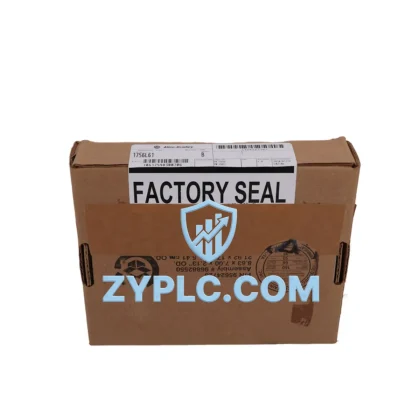
At ZYPLC, every 1785-LT3 unit is sourced from inspected surplus inventory, subjected to a rigorous pre-shipment functional test, and backed by a 12-month warranty. Whether you are maintaining an existing PLC-5 installation or integrating this processor into a hybrid control panel alongside newer platforms, the 1785-LT3 delivers the reliability your production line demands.
Efficiency Performance Table
| Parameter |
Specification / Value |
| Model / SKU |
Allen-Bradley 1785-LT3 |
| Series |
PLC-5 (PLC-5/12) |
| Processor Type |
PLC Processor Module |
| Power Consumption |
Low-draw backplane architecture; optimized for minimal chassis power budget |
| Operating Efficiency |
Deterministic scan cycle; reduces idle polling overhead and unnecessary I/O refresh cycles |
| Compatible Systems |
Allen-Bradley PLC-5 chassis, 1771 I/O systems, DH+ and DH-485 networks, ControlNet-compatible configurations |
| Application Environment |
Discrete manufacturing, process control, material handling, energy monitoring panels, motor drive coordination |
| Energy Optimization Value |
Reduces scan-cycle waste; supports demand-based I/O scheduling to lower aggregate system energy draw |
| Origin |
USA |
| Warranty |
12-Month Warranty (ZYPLC) |
| Stock Status |
Inspected surplus; available for immediate shipment |
Energy-Aware Automation Architecture
The Allen-Bradley 1785-LT3 does not operate in isolation — its true efficiency value emerges when it is positioned as the control nucleus of a well-designed automation architecture. In a typical energy-optimized plant cell, the 1785-LT3 processor coordinates with Allen-Bradley 1771-OBD digital output modules to execute precise on/off switching of actuators, eliminating the energy waste associated with continuous energization of solenoids and contactors during idle machine states.
On the drive side, the 1785-LT3 communicates setpoints and run/stop commands to Allen-Bradley PowerFlex 40 variable frequency drives via the Data Highway Plus (DH+) network, enabling speed-proportional motor operation rather than fixed-speed full-load running. This alone can reduce motor energy consumption by 20–50% in applications with variable load profiles, such as conveyor systems, pump stations, and fan arrays. For more demanding servo positioning tasks, the processor interfaces with Allen-Bradley 1394 servo drive systems, coordinating multi-axis motion with the precision needed to minimize mechanical overshoot — a hidden source of energy waste and premature component wear.
Power quality and consumption visibility are handled through integration with Allen-Bradley PowerMonitor 500 energy meters, which feed real-time kWh, kVAR, and power factor data back to the 1785-LT3 via the 1771-SDN DeviceNet Scanner module. This closed-loop energy feedback allows the processor to trigger load-shedding routines during peak demand windows, protecting the facility from demand charge penalties. Complementing this, Allen-Bradley 1785-ENET Ethernet Interface modules extend the PLC-5 platform’s connectivity to plant-level SCADA systems, enabling supervisory energy dashboards without replacing the existing control infrastructure.
At the field level, Allen-Bradley 1771-IFE analog input modules collect 4–20 mA signals from temperature transmitters, pressure sensors, and flow meters, giving the 1785-LT3 the process variable data it needs to implement energy-aware control strategies — such as reducing pump speed when downstream pressure is already sufficient, or cutting heater output when thermal mass is adequate. Operator interaction is managed through Allen-Bradley PanelView 550 HMI terminals, which display real-time energy consumption trends, alarm states, and production throughput metrics, empowering line operators to make informed decisions that directly impact energy efficiency.
Power Optimization in Real Production Lines
In a stamping plant running three shifts, an aging control system with fixed-speed motors and non-optimized scan cycles can waste thousands of kilowatt-hours per month through unnecessary actuator energization, oversized motor loading, and reactive power accumulation. Replacing or refurbishing the central processor with a properly configured Allen-Bradley 1785-LT3 addresses these losses at the source.
By implementing demand-based I/O scheduling within the 1785-LT3’s ladder logic, engineers can configure the processor to deactivate non-critical output groups during planned micro-stops — reducing the electrical load on the panel during inter-cycle gaps that, in aggregate, represent a significant fraction of total shift energy consumption. The processor’s ability to execute PID control loops natively means that temperature zones, pressure regulators, and flow control valves can be managed with proportional precision rather than bang-bang switching, smoothing energy draw and extending actuator service life.
Predictive maintenance integration is another dimension where the 1785-LT3 delivers operational value. By logging motor run-hours, fault event counts, and I/O cycle statistics through its data file architecture, maintenance teams gain the visibility needed to schedule interventions before failures occur — avoiding the energy spikes and production losses associated with unplanned downtime. Combined with the 12-month warranty provided by ZYPLC on every shipped unit, and the pre-shipment functional testing that validates processor performance before it reaches your panel, the 1785-LT3 represents a low-risk, high-return investment in production line energy optimization.
Line throughput optimization is equally tangible. The 1785-LT3’s deterministic scan cycle — typically in the low-millisecond range for standard I/O configurations — ensures that control decisions are executed without latency-induced production rhythm disruption. In high-speed packaging or assembly lines where cycle time directly governs output per shift, eliminating scan-cycle jitter translates directly into improved OEE (Overall Equipment Effectiveness) and reduced energy cost per unit produced.
Energy Optimization FAQ
Q1: How does the Allen-Bradley 1785-LT3 contribute to measurable energy savings on the production floor?
The 1785-LT3 enables energy savings through demand-based I/O control, PID-driven process regulation, and integration with variable frequency drives such as the PowerFlex 40 series. By executing precise, condition-triggered output commands rather than continuous energization, the processor reduces aggregate electrical load during partial-load and idle machine states. Facilities that have implemented structured energy management logic on PLC-5 platforms report reductions in motor-related energy consumption of 15–40% depending on application profile.
Q2: Is the 1785-LT3 compatible with modern communication protocols and energy monitoring systems?
Yes. The 1785-LT3 supports Data Highway Plus (DH+), DH-485, and — with appropriate interface modules such as the 1785-ENET — Ethernet/IP connectivity. This allows integration with plant-level SCADA, MES, and energy monitoring platforms without requiring a full control system migration. DeviceNet scanner modules further extend compatibility to field-level energy meters and smart sensors.
Q3: What is the recommended replacement or upgrade path if the 1785-LT3 is being phased out of a legacy system?
For facilities planning a phased migration, the 1785-LT3 can coexist with newer ControlLogix or CompactLogix platforms via bridging modules, allowing gradual I/O migration without production interruption. ZYPLC recommends evaluating the existing I/O count, communication requirements, and scan-cycle demands before selecting a migration path. Our technical team can assist with compatibility assessment.
Q4: What does the 12-month warranty from ZYPLC cover, and what is the pre-shipment testing process?
Every Allen-Bradley 1785-LT3 shipped by ZYPLC undergoes a functional inspection that verifies processor initialization, memory integrity, and communication port operation. The 12-month warranty covers hardware defects and functional failures under normal operating conditions. Units are shipped from inspected surplus inventory, ensuring that each module has been evaluated before dispatch. For warranty claims or technical support, contact ZYPLC directly at plc.sales@zyplc.com or +86 19859288691.
© 2026 ZYPLC. All rights reserved.
Original Source: https://zyplc.com
Contact: +86 19859288691 | plc.sales@zyplc.com