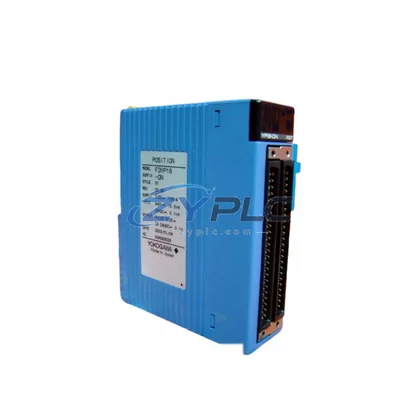
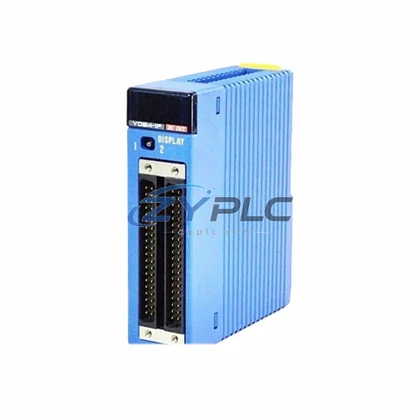
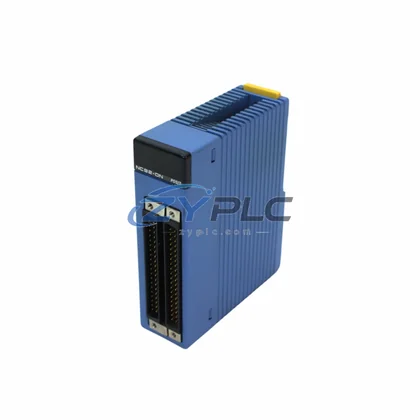
Bently Nevada 990-05-50-03-01 Vibration Transmitter for 990 Series
The Bently Nevada 990-05-50-03-01 is a precision vibration transmitter engineered for seamless integration within the Bently Nevada 990 Series machinery protection and condition monitoring architecture. Rather than functioning as a standalone measurement device, this transmitter is designed to operate as a critical node within a layered industrial automation system — bridging the gap between rotating machinery assets and the supervisory control infrastructure that governs plant-wide reliability decisions. In high-stakes environments such as oil and gas processing, power generation, petrochemical refining, and heavy manufacturing, the 990-05-50-03-01 delivers consistent, low-noise vibration signal conditioning that feeds directly into the broader machinery health monitoring framework.
Within a complete control system architecture, the 990-05-50-03-01 occupies the field instrumentation layer, converting raw vibration signals from proximity probes or accelerometers into standardized 4–20 mA analog outputs compatible with upstream monitoring and control platforms. This signal standardization is fundamental to system coherence — ensuring that vibration data from rotating equipment such as compressors, turbines, pumps, and fans can be reliably interpreted by the control layer without signal conditioning gaps or protocol mismatches. The transmitter’s architecture-ready design means it integrates without friction into existing 990 Series rack systems, reducing commissioning time and minimizing the risk of signal chain errors during system expansion or retrofit projects.
From a system architecture perspective, the 990-05-50-03-01 supports both new installations and brownfield upgrades. Its compatibility with the Bently Nevada 3500 Series rack-based monitoring system and the System 1 software platform allows engineers to extend existing machinery protection infrastructure without replacing core components. This system integration capability is particularly valuable in facilities where phased modernization is preferred over full system replacement — a common scenario in power plants, LNG terminals, and continuous process industries where downtime carries significant operational cost.
The transmitter’s role in the I/O layer is complemented by its ability to support redundant signal paths when paired with appropriate rack modules. In redundant architecture designs, dual-channel configurations using the 990-05-50-03-01 alongside companion modules such as the Bently Nevada 3500/42M or 3500/45 ensure that no single point of failure in the vibration monitoring chain can compromise machinery protection decisions. This redundancy design philosophy aligns with IEC 61511 functional safety requirements commonly applied in process industries.
At the network and communication layer, the 4–20 mA output of the 990-05-50-03-01 interfaces cleanly with distributed control systems (DCS) and safety instrumented systems (SIS), including platforms from major vendors. When integrated with a Bently Nevada 3500 rack equipped with a communication gateway module — such as the 3500/92 or 3500/93 — the vibration data can be transmitted over Modbus, Profibus, or OPC-DA/UA protocols to SCADA platforms and historian databases, enabling plant-wide asset performance management without additional signal conversion hardware.
For human-machine interface (HMI) and supervisory layers, the standardized analog output of the 990-05-50-03-01 ensures compatibility with operator workstations running System 1 Evolution software, where vibration trends, alarm states, and historical data can be visualized in real time. This end-to-end data continuity — from the field transmitter through the rack system to the HMI — is what defines a well-engineered machinery protection architecture, and the 990-05-50-03-01 is a foundational component in achieving that continuity.
Long-term maintenance efficiency is another key advantage of specifying the 990-05-50-03-01 within a standardized 990 Series architecture. Because the transmitter shares a common form factor, wiring standard, and calibration procedure with other 990 Series components, maintenance technicians can service, replace, or recalibrate units without specialized tooling or extended retraining. Spare parts inventory management is simplified when a single transmitter model covers multiple measurement points across a facility, reducing carrying costs and improving mean time to repair (MTTR) during unplanned maintenance events.
All units supplied by ZYPLC are covered by a warranty terms confirmed during quotation, with full traceability documentation available upon request. Global inventory availability ensures short lead times for both planned procurement and emergency replacement scenarios. For system integrators, EPC contractors, and plant maintenance teams operating in industries where machinery reliability is non-negotiable, the Bently Nevada 990-05-50-03-01 represents a proven, architecture-consistent solution backed by decades of field deployment across critical industrial applications.
Product Specification Table
| System Role |
Field Instrumentation / Vibration Signal Conditioning |
| SKU / Part Number |
990-05-50-03-01 |
| Brand |
Bently Nevada |
| Series |
990 Series |
| Product Type |
Vibration Transmitter |
| Output Signal |
4–20 mA Analog (Standard) |
| Input Compatibility |
Proximity Probes / Accelerometers (990 Series Compatible) |
| Power Supply |
24 VDC (Nominal, Loop-Powered) |
| Communication Capability |
Analog 4–20 mA; Gateway-compatible via 3500/92, 3500/93 (Modbus, Profibus, OPC) |
| Rack Compatibility |
Bently Nevada 3500 Series Rack System |
| Installation Environment |
Industrial; suitable for control cabinets, machinery skids, and field enclosures |
| Approvals / Standards |
CE, RoHS; compatible with IEC 61511 SIS architecture requirements |
| Country of Origin |
United States |
| Warranty |
warranty terms confirmed during quotation (ZYPLC) |
System Compatibility Notes
The 990-05-50-03-01 achieves its full architectural value when deployed as part of a coordinated control system rather than as an isolated measurement point. In a typical machinery protection architecture, this transmitter works in concert with the Bently Nevada 3500/42M four-channel position monitor and the 3500/45 position monitor to provide comprehensive shaft vibration and position monitoring across a single rotating machine train. The Bently Nevada 3500/20 rack power supply module ensures stable, conditioned DC power to all rack-mounted modules, including the transmitter interface cards that receive the 990-05-50-03-01 output signal.
At the communication layer, the Bently Nevada 3500/92 communication gateway bridges the 990 Series rack data to plant DCS and SCADA systems via Modbus TCP or Profibus DP, enabling the vibration data from the 990-05-50-03-01 to be integrated into broader process control loops without additional protocol converters. For facilities running System 1 Evolution software, the transmitter’s data stream feeds directly into the asset performance management dashboard, where it is correlated with process variables from the DCS — such as flow, pressure, and temperature — to provide contextual machinery health assessments.
In redundant architecture designs, the 990-05-50-03-01 is often paired with a Bently Nevada 3500/22M transient data interface module, which captures high-resolution vibration waveforms during startup and shutdown transients — data that is critical for rotor dynamics analysis and long-term reliability trending. Terminal blocks and field wiring accessories, including Bently Nevada 3500/05 system rack modules, complete the physical installation layer, ensuring that all signal connections are secure, labeled, and maintainable within the control cabinet environment. This coordinated multi-component approach is what transforms individual measurement devices into a coherent, architecture-grade machinery protection system.
Industrial Application Notes
The Bently Nevada 990-05-50-03-01 finds application across a wide range of industries where rotating machinery reliability is directly linked to production continuity and safety. In power generation facilities — including gas turbine plants, steam turbine stations, and combined-cycle power plants — the transmitter is deployed on main shaft bearings, generator bearings, and auxiliary equipment such as boiler feed pumps and cooling water pumps. Its stable 4–20 mA output integrates with the plant DCS to trigger protective shutdown sequences when vibration thresholds are exceeded, preventing catastrophic bearing failures that could result in extended forced outages.
In petrochemical and oil and gas processing environments, the 990-05-50-03-01 is specified for compressor trains, centrifugal pumps, and agitator drives where continuous operation is required and unplanned downtime carries significant financial and safety consequences. The transmitter’s compatibility with SIS architectures — when integrated with appropriate safety-rated rack modules — allows it to contribute to functional safety loops that meet SIL 2 requirements under IEC 61511. For water and wastewater treatment facilities, the transmitter monitors large centrifugal pumps and blower units, providing early warning of imbalance, misalignment, and bearing wear before these conditions escalate to equipment failure.
In mining and mineral processing applications, the 990-05-50-03-01 is deployed on ball mills, SAG mills, conveyor drive motors, and crusher drives — equipment categories where vibration monitoring is essential for predictive maintenance programs. The transmitter’s robust signal conditioning ensures reliable performance even in electrically noisy environments typical of mining facilities. For packaging and discrete manufacturing production lines, the transmitter supports condition monitoring programs on high-speed rotating equipment, contributing to overall equipment effectiveness (OEE) improvement initiatives by enabling maintenance teams to schedule interventions based on actual equipment condition rather than fixed time intervals.
Product Compatibility FAQ
Q1: Is the Bently Nevada 990-05-50-03-01 compatible with existing 3500 Series rack installations, and can it be added to an operational system without full shutdown?
The 990-05-50-03-01 is designed for integration within the Bently Nevada 990 Series and 3500 Series ecosystem. In most rack configurations, individual transmitter interface cards and field wiring can be modified during planned maintenance windows without requiring a full system shutdown, provided that the specific rack module slot supports hot-swap procedures as defined in the Bently Nevada 3500 Series installation documentation. System integrators should verify rack firmware compatibility and module slot assignments prior to installation to ensure seamless system integration with existing monitoring channels.
Q2: How does the warranty terms confirmed during quotation apply, and what documentation is provided with each unit?
All Bently Nevada 990-05-50-03-01 units supplied by ZYPLC are covered by a warranty terms confirmed during quotation from the date of shipment. Each unit is supplied with traceability documentation including part number verification, functional test records where applicable, and warranty registration details. In the event of a warranty claim, ZYPLC’s technical support team coordinates replacement or repair logistics to minimize impact on plant operations. Customers are encouraged to contact ZYPLC at plc.sales@zyplc.com or +86 19859288691 to confirm warranty terms specific to their procurement requirements.
Q3: What are the long-term maintenance and spare parts considerations for facilities standardizing on the 990-05-50-03-01 across multiple machine trains?
Standardizing on the 990-05-50-03-01 across multiple measurement points within a facility offers significant long-term maintenance advantages. A single transmitter model covers a broad range of rotating machinery applications, simplifying spare parts inventory management and reducing the number of unique part numbers that maintenance teams must stock. Calibration procedures are consistent across all units, reducing technician training requirements and minimizing the risk of calibration errors during field service. ZYPLC maintains global inventory availability to support both planned procurement cycles and emergency replacement scenarios, ensuring that critical spare parts are accessible when needed to support plant reliability programs.