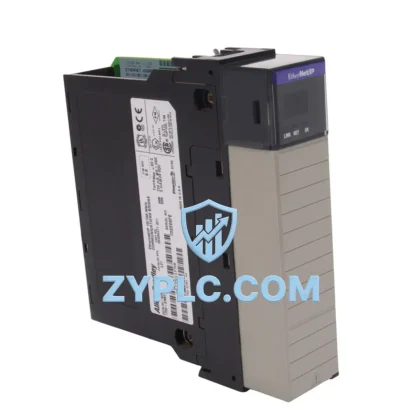
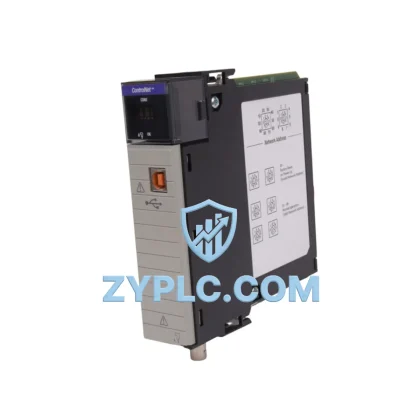
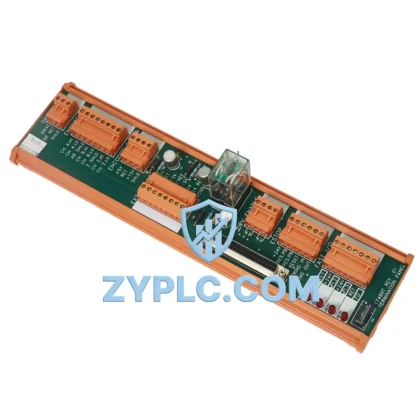
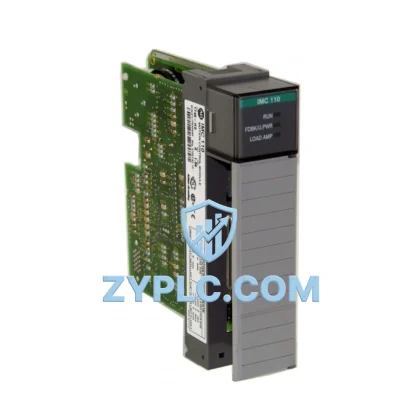
GE DS200SLCCG3ACC DS215DENCG3AZZ01A System-Ready Control Module for DS200 DS215 Architecture
The GE DS200SLCCG3ACC and DS215DENCG3AZZ01A are precision-engineered PC board control modules designed for seamless integration within GE’s DS200 and DS215 turbine control system architectures. These modules serve as critical components within the Mark VI and Mark VIe distributed control platforms, where system-level coherence, signal fidelity, and long-term operational reliability are non-negotiable requirements. Rather than functioning as standalone units, these boards are engineered to operate within a layered automation hierarchy — coordinating with upstream CPU modules, downstream I/O interfaces, communication gateways, and power distribution assemblies to deliver a unified, fault-tolerant control environment.
In modern industrial automation, the integrity of a control system is determined not by any single component, but by the architectural consistency of every module within the control cabinet. The DS200SLCCG3ACC and DS215DENCG3AZZ01A are built to this standard, providing stable signal conditioning, reliable backplane communication, and deterministic response times that are essential for turbine governor control, generator excitation management, and process automation in high-demand environments.
Architecture Specification Table
| Parameter |
DS200SLCCG3ACC |
DS215DENCG3AZZ01A |
| System Role |
Sequence Logic Control Card |
Digital Energy Network Control Card |
| Compatible Platform |
DS200 Series / Mark VI |
DS215 Series / Mark VIe |
| Form Factor |
Plug-in PC Board Module |
Plug-in PC Board Module |
| Backplane Interface |
DS200 VME-style Backplane |
DS215 Backplane / IONET |
| Communication Protocol |
ARCNET / IONet |
Ethernet / IONet |
| Operating Voltage |
+5 VDC / ±15 VDC (backplane supplied) |
+5 VDC / ±15 VDC (backplane supplied) |
| Operating Temperature |
0°C to +60°C |
0°C to +60°C |
| Humidity Tolerance |
5% to 95% non-condensing |
5% to 95% non-condensing |
| Installation Environment |
Control Cabinet / Mark VI Panel |
Control Cabinet / Mark VIe Panel |
| Redundancy Support |
TMR (Triple Modular Redundancy) |
Dual / TMR Redundancy |
| Warranty |
12-Month Warranty — Covered against manufacturing defects and functional failure under normal operating conditions |
Coordinated Control System Design
The DS200SLCCG3ACC and DS215DENCG3AZZ01A do not operate in isolation. Their value is realized through tight architectural integration with the surrounding control system layers. In a typical Mark VI or Mark VIe turbine control panel, these boards interface directly with the DS200TCQCG1A Turbine Control Quad Core Processor, which manages the primary control loop execution and distributes sequencing commands across the backplane. Power integrity for these modules is maintained by the DS200PCCAG1A Power Supply Board, which conditions and regulates the +5 VDC and ±15 VDC rails essential for stable logic operation.
On the I/O layer, the DS200SLCCG3ACC coordinates with analog and digital I/O boards such as the DS200IOCAG1A I/O Controller Board and the DS215AIDAG1A Analog Input Board, which aggregate field signals from thermocouples, pressure transmitters, and speed sensors before passing processed data upstream to the control logic layer. The DS215DENCG3AZZ01A, operating within the DS215 architecture, interfaces with the DS215TCQAG1A Quad Core Processor and communicates over the IONet Ethernet backbone, enabling high-speed, deterministic data exchange between control racks.
Network-layer coherence is maintained through the DS200CPCAG1A Communication Processor Card, which bridges the ARCNET and Ethernet segments within the Mark VI panel, ensuring that both legacy DS200 modules and newer DS215 components can coexist within a hybrid control architecture. This is particularly relevant in retrofit and upgrade projects where phased migration from Mark V to Mark VIe is underway.
At the human-machine interface layer, operator visibility into the system state managed by these control boards is delivered through GE’s Cimplicity HMI or compatible SCADA platforms, which receive real-time status, alarm, and diagnostic data via the IONet communication layer. Relay output modules such as the DS200RTBAG1A Relay Terminal Board translate the digital output commands from the sequence logic card into physical switching actions for actuators, solenoids, and motor starters in the field.
For installations requiring high-availability operation, the TMR (Triple Modular Redundancy) architecture supported by these modules allows three independent control paths to vote on output decisions, eliminating single points of failure. This redundancy design is complemented by the DS200VPBLG1A Voter Protection Board, which monitors voting integrity and isolates faulted channels without interrupting the control process — a critical capability in power generation and petrochemical applications where unplanned shutdowns carry significant operational and safety consequences.
Application in Layered Automation Systems
Power Generation: In gas turbine and steam turbine power plants, the DS200SLCCG3ACC serves as the sequence logic backbone for startup, loading, and shutdown sequences. Its deterministic scan cycle and backplane-native communication ensure that fuel valve commands, inlet guide vane positioning, and generator breaker sequencing are executed with the precision required by grid synchronization standards. The DS215DENCG3AZZ01A extends this capability into the digital energy network domain, supporting communication with protection relays and energy management systems.
Petrochemical and Refinery Process Control: In continuous process environments such as crude distillation units and compressor trains, these control boards manage interlocks, permissive logic, and safety shutdown sequences. Their compatibility with the Mark VI TMR architecture ensures that SIL 2 and SIL 3 safety integrity levels can be maintained without requiring separate safety PLC hardware, reducing panel footprint and simplifying maintenance procedures.
Mining and Metals Processing: Conveyor drive control, crusher sequencing, and mill motor management systems in mining operations benefit from the robust environmental tolerance and modular expandability of the DS200/DS215 platform. The ability to hot-swap modules during scheduled maintenance windows minimizes production downtime and supports the long maintenance intervals typical of remote mining installations.
Water and Wastewater Treatment: Municipal and industrial water treatment facilities use the DS200 platform for pump station control, chemical dosing sequencing, and SCADA integration. The IONet communication capability of the DS215DENCG3AZZ01A enables seamless data exchange with plant-wide DCS systems, supporting centralized monitoring and alarm management across geographically distributed pump stations.
Packaging and Discrete Manufacturing: In high-speed packaging lines and assembly systems, the sequence logic capabilities of the DS200SLCCG3ACC support complex multi-axis coordination, reject gate control, and production counting functions. The modular architecture of the DS200 platform allows I/O expansion without reconfiguring the core control logic, supporting line capacity upgrades with minimal engineering effort.
Architecture Engineering FAQ
Q1: Are the DS200SLCCG3ACC and DS215DENCG3AZZ01A cross-compatible between DS200 and DS215 backplanes?
No. The DS200SLCCG3ACC is designed for the DS200 series VME-style backplane used in Mark VI panels, while the DS215DENCG3AZZ01A is engineered for the DS215 backplane architecture used in Mark VIe systems. Although both modules share the GE turbine control platform lineage and communicate over IONet, they are not physically or electrically interchangeable. In hybrid upgrade projects, both module types may coexist within the same control system, but each must be installed in its respective rack and backplane. Always verify the target rack part number and backplane revision before ordering replacement modules.
Q2: What is the recommended procedure for replacing these modules in a live TMR system without causing a process trip?
In a TMR (Triple Modular Redundancy) configuration, one of the three redundant channels can be taken offline for module replacement while the remaining two channels continue to vote and control the process. The recommended procedure is to first confirm that the other two channels are healthy and in agreement, then inhibit the faulted channel through the Mark VI toolbox software (ToolboxST), physically remove and replace the module, allow the new module to synchronize with the active channels, and then re-enable the channel. This procedure should only be performed by qualified GE-trained control system engineers, and the 12-Month Warranty coverage applies to modules replaced under normal operating conditions without physical damage.
Q3: Does the 12-Month Warranty cover modules that have been installed in a system and then removed for use as spares?
Yes. The 12-Month Warranty provided by ZYPLC covers the module from the date of purchase, regardless of whether the module is immediately installed or held as a spare. The warranty covers manufacturing defects and functional failures under normal operating conditions and excludes damage caused by incorrect installation, overvoltage events, environmental contamination, or unauthorized modification. For warranty claims, customers are required to provide the original purchase documentation and a description of the failure mode. ZYPLC’s technical support team will coordinate return, evaluation, and replacement or repair within the warranty period.
© 2026 ZYPLC. All rights reserved.
Original Source: https://zyplc.com
Contact: +86 19859288691 | [email protected]