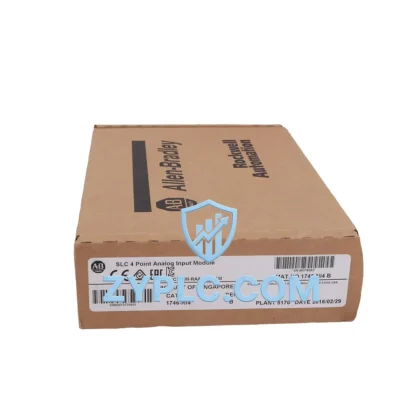
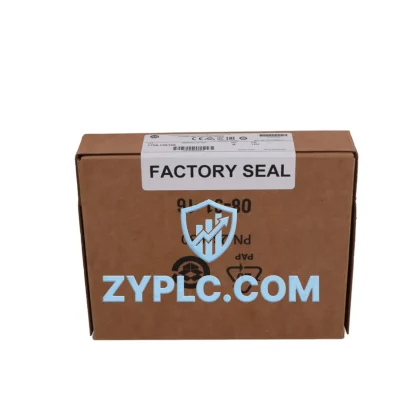
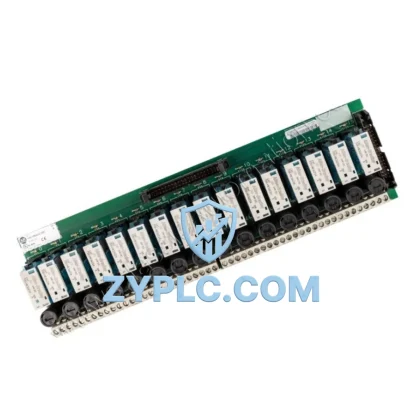
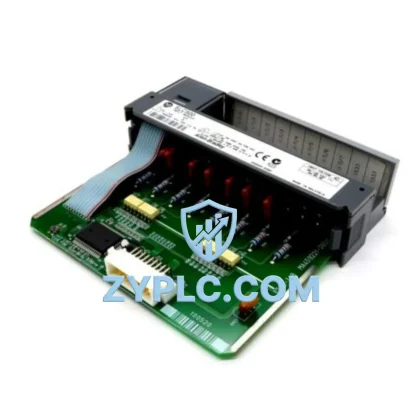
Yokogawa ADV561-P00/S2 Energy-Saving Digital Output Module: Precision Control for Optimized CENTUM CS Automation
The Yokogawa ADV561-P00/S2 is a high-performance digital output module engineered for the CENTUM CS and CENTUM CS3000 Distributed Control System (DCS) platform. Designed to deliver deterministic, low-latency switching signals to field actuators, solenoid valves, motor starters, and relay-driven loads, this module plays a central role in reducing unnecessary energy consumption across continuous process industries including oil & gas, petrochemical, power generation, pulp & paper, and pharmaceutical manufacturing.
In modern industrial facilities, digital output modules are the final execution layer between the control system and physical plant equipment. When output switching is imprecise, delayed, or unreliable, actuators remain energized longer than necessary, motors cycle inefficiently, and process upsets cascade into unplanned downtime. The ADV561-P00/S2 addresses these challenges with tight signal integrity, robust isolation, and seamless integration into the CENTUM CS3000 field control station architecture — enabling plant operators to enforce tighter control loops, reduce idle energy draw, and extend the operational lifespan of connected field devices.
Efficiency Performance Table
| Parameter |
Specification / Value |
| Model |
ADV561-P00/S2 |
| Manufacturer |
Yokogawa Electric Corporation |
| Compatible Platform |
CENTUM CS / CENTUM CS3000 DCS |
| Module Type |
Digital Output (DO) Module |
| Output Channels |
16-channel isolated digital output |
| Output Signal Type |
Transistor / relay-compatible dry contact |
| Operating Voltage |
24 VDC (field side) |
| Power Consumption |
Low-power design; minimizes backplane draw |
| Isolation |
Channel-to-channel and field-to-bus optical isolation |
| Compatible Systems |
CENTUM CS3000, CENTUM CS Field Control Station (FCS) |
| Application Environment |
Continuous process control, batch automation, utility management |
| Energy Optimization Value |
Precise switching reduces actuator over-energization and idle losses |
| Inventory Status |
In Stock — Ships within 1–3 business days |
| Testing |
Full functional test prior to shipment |
| Warranty |
12-Month Warranty |
| Origin |
Japan |
Energy-Aware Automation Architecture
The ADV561-P00/S2 does not operate in isolation — its energy efficiency contribution is amplified when deployed within a well-integrated CENTUM CS3000 automation architecture. At the field control station level, the module slots into the Yokogawa AFV10D Field Control Unit or compatible FCS chassis, sharing a high-speed internal bus with analog input modules such as the AAI141-S00 and AAI543-H00, which feed real-time process variable data back to the controller. This closed-loop arrangement ensures that digital outputs are only activated when process conditions genuinely require actuation — eliminating the phantom switching events that waste energy and accelerate valve wear.
On the drive side, the ADV561-P00/S2 frequently interfaces with Yokogawa’s VariFlex variable frequency drive (VFD) series through interposing relay panels, enabling the DCS to command motor start/stop sequences with millisecond precision. When paired with the Yokogawa WT series power analyzers — such as the WT310E or WT500 — plant engineers gain granular visibility into the actual power drawn by each motor circuit, allowing them to correlate digital output command timing with real energy consumption data and identify opportunities to shorten run cycles without compromising throughput.
For communication and supervisory integration, the CENTUM CS3000 platform supports FOUNDATION Fieldbus H1, HART, and Modbus RTU/TCP protocols. The ADV561-P00/S2 output states are fully visible and loggable through the Yokogawa FAST/TOOLS SCADA or Exaquantum plant information management system (PIMS), enabling energy managers to build historical trend reports on actuator duty cycles, identify over-cycling patterns, and implement demand-response strategies during peak tariff periods.
Human-machine interface visibility is provided through the Yokogawa HIS (Human Interface Station) running CENTUM CS3000 operator graphics, where each DO channel status is displayed in real time. Operators can immediately identify stuck-open outputs — a common source of energy waste in steam and compressed-air systems — and initiate corrective action without leaving the control room. When integrated with the Yokogawa PRM (Plant Resource Manager), maintenance teams receive predictive alerts when output channel diagnostics indicate degraded switching performance, enabling condition-based maintenance scheduling that avoids both unplanned failures and unnecessary preventive replacements.
Power Optimization in Real Production Lines
In a typical continuous process plant, digital output modules like the ADV561-P00/S2 control hundreds of on/off devices simultaneously — motorized valves, pump starters, agitator contactors, conveyor drives, and safety interlock relays. The cumulative energy impact of imprecise or delayed switching across these devices is substantial. A single solenoid valve held open 200 milliseconds longer than necessary per cycle, repeated across 50 valves at 10 cycles per hour, translates to measurable kilowatt-hour losses over a production shift.
The ADV561-P00/S2 addresses this at the hardware level through its low-latency output response and deterministic scan-cycle integration within the CENTUM CS3000 FCS. Control engineers can configure output forcing inhibits, interlock logic, and minimum pulse-width constraints directly in the FCS function block library, ensuring that actuators receive precisely timed commands rather than approximate signals rounded to slow scan cycles. This level of control precision is particularly valuable in batch processes where ingredient dosing, heating sequences, and mixing cycles must be tightly coordinated to minimize energy-intensive rework caused by off-spec batches.
From a maintenance cost perspective, the module’s channel isolation architecture prevents a fault on one output from propagating to adjacent channels or the field control bus — a failure mode that in legacy systems could take an entire I/O rack offline and trigger emergency shutdowns. By containing faults at the channel level, the ADV561-P00/S2 supports higher plant availability, which directly translates to better energy efficiency: a plant running at 95% availability consumes significantly less energy per unit of output than one that repeatedly cycles through cold-start warm-up sequences after unplanned trips.
All units supplied by ZYPLC are drawn from verified inventory, subjected to full functional output testing across all 16 channels before shipment, and covered by a 12-month warranty. This ensures that replacement modules perform to Yokogawa factory specifications from day one, without the efficiency degradation associated with untested surplus stock.
Energy Optimization FAQ
Q1: How does the ADV561-P00/S2 contribute to energy savings in a CENTUM CS3000 system?
The module enables precise, low-latency digital output switching that ensures field actuators — valves, motor starters, and relay loads — are energized only for the exact duration required by the process. This eliminates over-energization losses and reduces unnecessary actuator cycling, which lowers both electrical consumption and mechanical wear on connected equipment.
Q2: Is the ADV561-P00/S2 compatible with both CENTUM CS and CENTUM CS3000 platforms?
Yes. The ADV561-P00/S2 is designed for use within the CENTUM CS and CENTUM CS3000 Field Control Station (FCS) architecture. It is compatible with standard Yokogawa FCS chassis and backplane configurations used across both generations of the platform. If you are upgrading from an older CENTUM CS installation to CS3000, this module supports a direct slot-compatible replacement in most configurations.
Q3: What is the recommended replacement process when substituting a failed DO module on a live production line?
For hot-swap replacement, the CENTUM CS3000 FCS supports online module replacement with minimal process disruption when the system is configured for redundant I/O. The replacement ADV561-P00/S2 should be inserted into the correct slot, after which the FCS automatically downloads the channel configuration and output states from the controller database. ZYPLC recommends verifying all 16 output channels against the process P&ID after replacement and confirming correct operation through the HIS operator station before returning the loop to automatic control.
Q4: What testing is performed before shipment, and what does the 12-month warranty cover?
Every ADV561-P00/S2 unit supplied by ZYPLC undergoes full functional testing across all output channels, including switching response verification and isolation integrity checks, prior to shipment. The 12-month warranty covers hardware defects and functional failures under normal operating conditions. Units that fail during the warranty period are replaced or repaired at no additional cost, ensuring your production line maintains its energy efficiency targets without unbudgeted maintenance expenditure.
© 2026 ZYPLC. All rights reserved.
Original Source: https://zyplc.com
Contact: +86 19859288691 | [email protected]