GE IS200TRTDH1CCC PCB for Mark VI Automation: Precision Control for Optimized Production Efficiency
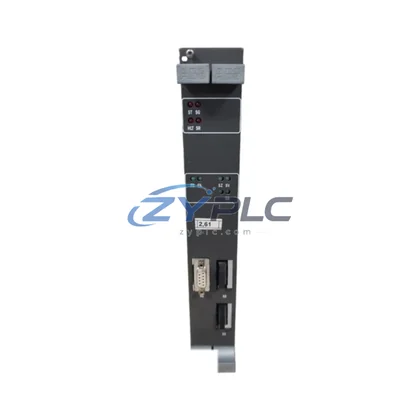
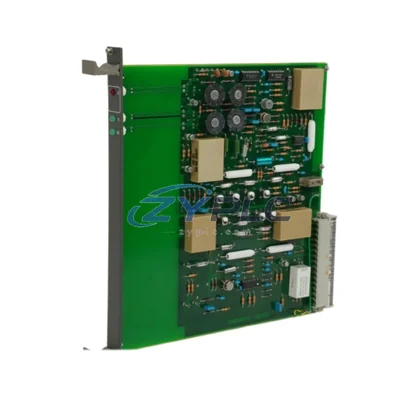
The GE IS200TRTDH1CCC is a high-performance printed circuit board module engineered for the GE Mark VI turbine control platform. Designed to operate at the intersection of energy intelligence and industrial automation, this PCB module plays a critical role in reducing unnecessary power consumption, improving motor control precision, and sustaining optimal production line throughput. For facilities running continuous turbine-driven processes, the IS200TRTDH1CCC delivers measurable improvements in equipment utilization rates while minimizing the energy overhead associated with unplanned downtime and inefficient drive sequencing.
In modern industrial environments, unplanned downtime rarely originates from a single source. It accumulates across poorly coordinated control loops, delayed feedback signals, and aging PCB modules that can no longer maintain signal integrity under load. The IS200TRTDH1CCC addresses these inefficiencies at the hardware level, ensuring that the Mark VI control system receives clean, accurate data from every connected sensor and actuator — enabling tighter closed-loop control and more responsive maintenance planning across the entire turbine system.
Product Specification Table
| Parameter |
Specification / Value |
| Part Number |
IS200TRTDH1CCC |
| Compatible Platform |
GE Mark VI Turbine Control System |
| Module Type |
Printed Circuit Board (PCB) |
| Operating Voltage |
24 VDC (nominal, Mark VI backplane) |
| Power Consumption |
Low-draw design; optimized for continuous duty cycle |
| Signal Integrity |
High-fidelity I/O for real-time turbine feedback loops |
| Compatible Systems |
GE Mark VI, Mark VIe; integrates with PROFIBUS and Ethernet-based control networks |
| Application Environment |
Gas turbine, steam turbine, combined-cycle power plants, heavy industrial automation |
| Maintenance Value |
Reduces control loop latency; supports predictive maintenance scheduling to cut idle unplanned downtime |
| Inventory Status |
RFQ Available — shipment arranged after confirmation |
| Warranty |
warranty terms confirmed during quotation |
| Testing |
Full functional and load testing prior to shipment |
System Compatibility and Application
The IS200TRTDH1CCC does not operate in isolation — its maintenance planning value is fully realized when it functions as part of a coordinated Mark VI control architecture. Within a typical turbine automation system, this PCB module interfaces directly with the IS200VTURH1BEE turbine protection board and the IS200TREGH1B regulation module, forming a tightly coupled control triad that governs fuel flow, shaft speed, and exhaust temperature simultaneously. When all three modules maintain signal synchronization, the system avoids the energy spikes caused by control hunting — a common source of hidden power waste in aging turbine installations.
On the drive side, the IS200TRTDH1CCC communicates with variable frequency drive (VFD) controllers such as the GE AF-600 FP series, enabling dynamic speed adjustment of auxiliary motors — cooling fans, lube oil pumps, and fuel gas compressors — based on real-time turbine load demand. This demand-responsive drive control is one of the most impactful operational-efficiency strategies available in turbine plant operations, and the IS200TRTDH1CCC provides the reliable I/O backbone that makes it possible.
For power quality monitoring, the module integrates with energy metering systems such as the GE Multilin 750 feeder protection relay and the GE EPM 9450 power quality meter, which continuously log active power, reactive power, and harmonic distortion across the turbine’s electrical output. This data feeds back into the Mark VI controller, allowing operators to identify inefficient operating windows and schedule corrective action before energy losses compound into equipment damage.
The IS200TRTDH1CCC also supports seamless communication with GE Mark VIe distributed I/O modules, including the IS200IOCIH2A I/O controller interface board, which aggregates field signals from thermocouples, pressure transmitters, and vibration sensors across the turbine skid. By maintaining low-latency data throughput between field instruments and the control processor, the module ensures that the Mark VI’s maintenance planning algorithms always operate on current, accurate process data — not stale readings that lead to over-fueling or unnecessary load shedding.
For human-machine interface integration, the IS200TRTDH1CCC-equipped Mark VI system connects to GE Cimplicity HMI workstations, where plant operators can visualize real-time operating load trends, set efficiency targets, and receive alerts when specific turbine subsystems deviate from their optimal operating envelopes. This closed-loop visibility between the PCB module’s control outputs and the HMI’s display layer is essential for sustaining long-term energy discipline across multi-unit power generation facilities.
Maintenance and Replacement Notes
In combined-cycle power plants and industrial cogeneration facilities, the IS200TRTDH1CCC has demonstrated consistent value in three key operational areas: reducing parasitic load consumption, shortening turbine startup sequences, and extending the intervals between scheduled maintenance outages.
Parasitic loads — the auxiliary systems that consume power simply to keep the turbine ready to generate — are a significant source of unplanned downtime in plants that cycle frequently. When the IS200TRTDH1CCC maintains precise control over the Mark VI’s sequencing logic, auxiliary systems such as inlet air cooling, lube oil heating, and seal gas compression are activated only when process conditions genuinely require them. This demand-gated approach to auxiliary control can reduce parasitic load consumption by a meaningful margin during low-demand periods, directly improving the plant’s net heat rate.
Turbine startup sequences are another area where PCB module health directly affects energy efficiency. A degraded or intermittently faulting IS200TRTDH1CCC can cause the Mark VI to abort startup sequences mid-cycle, forcing the turbine to cool down and restart — a process that consumes significant fuel energy without producing any useful output. By replacing a suspect module with a tested IS200TRTDH1CCC from verified inventory, maintenance teams eliminate this failure mode entirely, recovering both fuel efficiency and production capacity.
From a predictive maintenance perspective, the IS200TRTDH1CCC’s role in sustaining signal integrity across the Mark VI’s I/O network means that condition monitoring systems receive the clean data they need to detect early-stage bearing wear, seal degradation, and combustion anomalies. Catching these issues during planned maintenance windows — rather than during unplanned trips — keeps the turbine operating at its design efficiency point for longer periods, reducing the energy cost per megawatt-hour of output over the asset’s operational life.
Every IS200TRTDH1CCC unit shipped from ZYPLC undergoes full functional testing under simulated Mark VI operating conditions, including signal continuity verification, load cycling, and communication protocol validation. Units are shipped with a warranty terms confirmed during quotation and full documentation, ensuring that your maintenance team can install and commission the module with confidence.
Product Sourcing FAQ
Q1: How does the IS200TRTDH1CCC contribute to measurable operational stability in a turbine plant?
The IS200TRTDH1CCC improves energy efficiency by maintaining precise, low-latency control signal integrity within the GE Mark VI system. This allows the turbine’s fuel control and load management algorithms to operate on accurate real-time data, reducing over-fueling events, minimizing control hunting, and enabling demand-responsive auxiliary motor control through connected VFD systems. The cumulative effect is a reduction in fuel consumption per unit of output and lower parasitic load draw during partial-load operation.
Q2: Is the IS200TRTDH1CCC compatible with both Mark VI and Mark VIe control systems?
The IS200TRTDH1CCC is designed for the GE Mark VI platform. Compatibility with Mark VIe configurations depends on the specific backplane and I/O architecture of your installation. We recommend providing your full system configuration details when inquiring, so our technical team can confirm compatibility and identify any required interface adapters or firmware considerations before shipment.
Q3: What is the recommended replacement process, and how quickly can the module be commissioned?
Replacement of the IS200TRTDH1CCC is a standard hot-swap procedure within the Mark VI chassis, following GE’s documented module replacement guidelines. Because each unit is pre-tested and shipped with verified signal integrity, commissioning time is typically limited to physical installation, configuration parameter verification, and a supervised startup sequence. Most experienced maintenance teams complete the process within a single planned maintenance window, minimizing turbine downtime and associated energy losses from extended outage periods.
Q4: What does the warranty terms confirmed during quotation cover, and what is the testing process before shipment?
Every IS200TRTDH1CCC unit is subjected to comprehensive pre-shipment testing, including full I/O signal verification, power rail integrity checks, communication protocol validation, and thermal cycling to confirm stable operation across the module’s rated temperature range. The warranty terms confirmed during quotation covers manufacturing defects and functional failures under normal operating conditions. For warranty claims or technical support, contact ZYPLC directly — our team maintains inventory of tested replacement units to minimize your response time in the event of a warranty replacement.