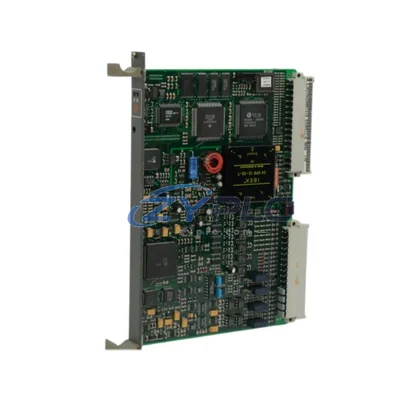
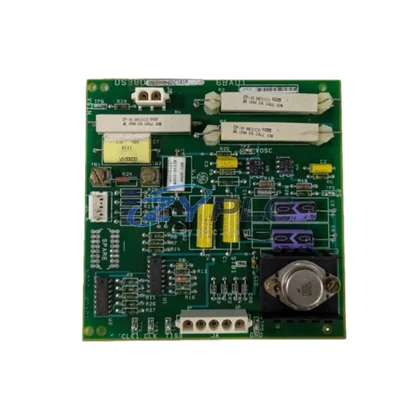
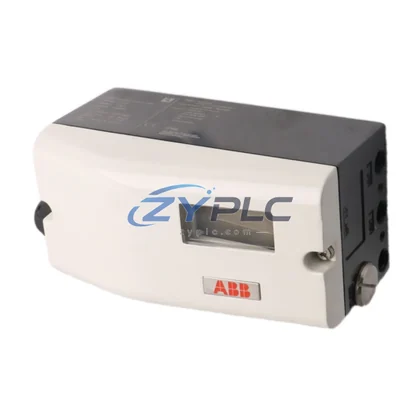
ABB PXAH401 3BSE017235R1 Operator Interface for Symphony Plus
The ABB PXAH401 (3BSE017235R1) is a dedicated Operator Interface Unit engineered for seamless integration within the ABB Symphony Plus Distributed Control System (DCS) architecture. Rather than functioning as a standalone display terminal, the PXAH401 serves as a critical node in the human-machine interface (HMI) layer of a multi-tier industrial automation hierarchy — bridging real-time process visualization with the underlying control, I/O, and communication infrastructure that governs modern continuous and batch manufacturing environments.
In a fully realized Symphony Plus control architecture, the PXAH401 connects upward to the engineering and supervisory layer — typically interfacing with ABB’s System 800xA platform or Symphony Plus Operations — while simultaneously receiving live process data from the control execution layer populated by modules such as the PM891 Process Controller and PM865 Controller Module. This bidirectional data flow ensures that operators receive accurate, low-latency process state information while retaining the ability to issue setpoint adjustments, mode changes, and alarm acknowledgments directly from the operator station.
Product Specification Table
| Parameter |
Specification |
| Model / Part Number |
PXAH401 / 3BSE017235R1 |
| Brand |
ABB |
| Series |
Symphony Plus DCS |
| System Role |
Operator Interface Unit (HMI Layer) |
| Product Type |
Operator Interface Unit |
| Communication Capability |
Ethernet / Advant Fieldbus 100 (AF100) compatible |
| Electrical Supply |
24 VDC nominal (typical Symphony Plus panel supply) |
| Installation Environment |
Control room / panel-mount; IP20 rated enclosure |
| Operating Temperature |
0°C to +55°C |
| Country of Origin |
Sweden |
| system integration |
Yes — native Symphony Plus architecture compatibility |
| Warranty |
warranty terms confirmed during quotation (ZYPLC) |
| Condition |
New / Tested Surplus / Refurbished (as specified at order) |
System Compatibility Notes
The PXAH401 achieves its full operational value when deployed within a coordinated Symphony Plus system architecture. At the control layer, it works in concert with the PM891 Process Controller and PM865 Controller Module, which execute the PID loops, sequence logic, and interlock functions that govern process behavior. These controllers communicate process variable data upward through the system bus, making it available for real-time display on the PXAH401 operator station.
At the I/O layer, analog and digital field signals are conditioned and marshaled through modules such as the AI810 Analog Input Module and DO810 Digital Output Module, which feed structured data into the controller execution environment. The PXAH401 reflects the aggregated state of these I/O channels through configured faceplates and trend displays, giving operators a coherent view of field device status without requiring direct access to the I/O cabinet.
Network and communication stability is maintained through the CI854 PROFIBUS DP Communication Interface and CI801 AF100 Communication Interface, which provide deterministic fieldbus connectivity between the control layer and field instrumentation. The PXAH401 relies on the integrity of these communication paths to ensure that displayed values accurately reflect real-time process conditions — making network redundancy design a critical consideration in any architecture that includes this operator unit.
Power distribution to the PXAH401 and associated modules is typically managed through the SD821 Power Supply Unit or equivalent Symphony Plus panel power modules, which provide regulated 24 VDC with sufficient current capacity for multi-module installations. Redundant power supply configurations are recommended in high-availability applications to eliminate single points of failure at the power layer.
For applications requiring advanced alarm management and historian integration, the PXAH401 operator station is commonly paired with the Symphony Plus Operations (SPO) software suite running on dedicated server hardware, enabling centralized event logging, trend archiving, and multi-station alarm rationalization. In smaller installations, the PXAH401 may serve as the primary operator interface, while in larger architectures it functions as one of several distributed operator nodes within a unified control network.
Terminal and wiring infrastructure — including TB820 Termination Units and associated cable assemblies — completes the physical integration of the PXAH401 into the control cabinet, ensuring reliable signal continuity from field junction boxes through to the operator display layer. Proper cable management and grounding practices are essential to maintaining signal integrity in electrically noisy industrial environments.
Industrial Application Notes
The PXAH401 is deployed across a broad spectrum of process-intensive industries where the Symphony Plus DCS platform is the control backbone of choice. In power generation and utilities, the unit provides operators with real-time visibility into boiler drum levels, turbine speed, and generator output parameters — enabling rapid response to process deviations without requiring engineers to access the control room server directly.
In oil refining and petrochemical processing, the PXAH401 supports continuous monitoring of distillation column temperatures, reactor pressures, and flow rates across complex multi-unit operations. Its integration with the Symphony Plus alarm management framework ensures that critical process exceedances are surfaced to operators in a prioritized, actionable format consistent with ISA-18.2 alarm management standards.
For water and wastewater treatment facilities, the operator interface unit enables centralized supervision of pump stations, chemical dosing systems, and filtration processes distributed across geographically separated sites — all within a unified Symphony Plus network architecture. The PXAH401’s compatibility with Ethernet-based communication infrastructure supports remote operator station configurations where physical proximity to the process is impractical.
In mining and mineral processing applications, the unit is integrated into grinding circuit control systems, flotation cell management, and tailings handling operations where process stability directly impacts recovery rates and energy efficiency. The PXAH401’s robust design and compatibility with industrial-grade panel enclosures makes it suitable for deployment in environments subject to vibration, dust, and temperature variation.
Across pharmaceutical and food-grade manufacturing environments, the PXAH401 supports batch process supervision with the audit trail and access control capabilities required for regulatory compliance. Its role within the Symphony Plus architecture enables seamless integration with batch management software and electronic batch record systems, supporting 21 CFR Part 11 and GMP documentation requirements.
Product Compatibility FAQ
Q1: Is the PXAH401 3BSE017235R1 compatible with both legacy Harmony and current Symphony Plus DCS architectures?
The PXAH401 is designed for the Symphony Plus platform and is fully compatible with current Symphony Plus control and I/O modules. Compatibility with legacy ABB Harmony systems depends on the specific firmware revision and communication interface configuration in use. For mixed-generation architectures, it is recommended to verify the system software version and communication protocol support with your ABB system integrator or ZYPLC technical team prior to installation. All units supplied by ZYPLC are tested for functional integrity and covered by a warranty terms confirmed during quotation.
Q2: What are the key considerations for integrating the PXAH401 into a redundant control system architecture?
In redundant Symphony Plus architectures, the PXAH401 operator station should be connected to a redundant Ethernet switch infrastructure to ensure continuous display availability during primary network path failures. The operator station itself does not execute control logic, so its failure does not affect process control continuity — however, loss of the operator interface in a critical process environment can impair operator situational awareness. Redundant operator station configurations, where a secondary PXAH401 or equivalent unit is maintained in hot-standby, are recommended for high-availability applications. ZYPLC maintains inventory of tested PXAH401 units to support rapid replacement requirements.
Q3: What commissioning steps are required when replacing a PXAH401 in an existing Symphony Plus system, and how does the warranty terms confirmed during quotation apply?
Replacement of a PXAH401 in an operational Symphony Plus system typically involves: (1) backing up the existing operator station configuration from the Symphony Plus engineering environment; (2) physically installing the replacement unit and restoring network connectivity; (3) downloading the saved configuration to the new unit via the Symphony Plus Operations software; and (4) verifying display accuracy against live process values before returning the station to service. ZYPLC’s warranty terms confirmed during quotation covers manufacturing defects and functional failures under normal operating conditions from the date of shipment. Units that fail during the warranty period are eligible for replacement or repair at no additional cost, subject to standard return merchandise authorization (RMA) procedures.