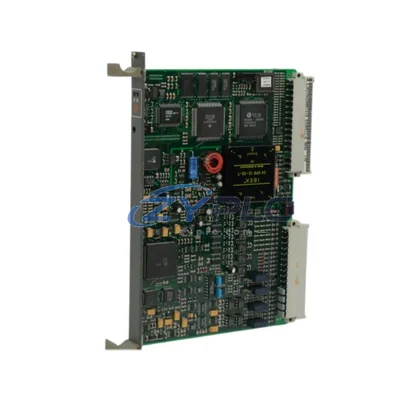
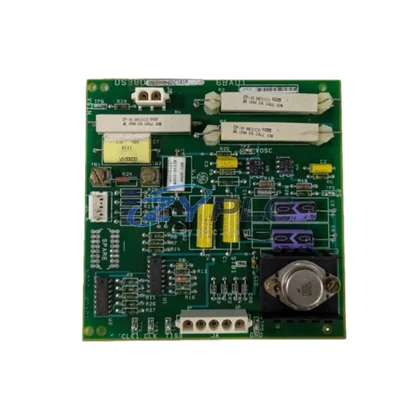
The Siemens 16249-51-4 is a high-efficiency M-Bus (Meter-Bus) communication interface module engineered for industrial condition monitoring and automation environments where accurate power data acquisition is critical to reducing operational costs. Designed to integrate seamlessly within Siemens automation architectures, this module enables real-time energy metering, sub-metering, and consumption analytics across complex production facilities — making it an essential component for factories pursuing measurable energy efficiency improvements and lean manufacturing targets.
In modern industrial plants, untracked operating load is one of the largest sources of avoidable cost. The 16249-51-4 addresses this directly by bridging M-Bus-compatible energy meters, heat meters, water meters, and gas meters to higher-level control and SCADA systems. By delivering structured, timestamped consumption data to the control layer, it enables plant engineers to identify unplanned downtime at the machine level, correlate energy spikes with production events, and implement demand-side management strategies that reduce peak load charges and improve overall equipment effectiveness (OEE).
Product Specification Table
| Parameter |
Specification / Value |
| SKU / Part Number |
16249-51-4 |
| Brand |
Siemens |
| Module Type |
M-Bus Communication Interface Module |
| Protocol |
M-Bus (Meter-Bus, EN 13757) |
| Power Consumption |
Low-power design; optimized for continuous 24/7 operation |
| Operating Efficiency |
High-accuracy metering data acquisition; supports multi-meter polling |
| Compatible Systems |
Siemens DESIGO CC, SINAUT, S7 PLC series, SCADA/BMS platforms |
| Application Environment |
Industrial plants, building automation, utility sub-metering, process control |
| Maintenance Value |
Enables real-time energy KPI tracking, demand management, and waste identification |
| Origin |
Germany |
| Warranty |
warranty terms confirmed during quotation |
| Stock Status |
RFQ Available — Ships after outgoing inspection and functional test |
System Compatibility and Application
The Siemens 16249-51-4 is most effective when deployed as part of a layered industrial automation system. At the field level, M-Bus-compatible meters — including electricity meters, thermal energy meters, and compressed air flow meters — transmit consumption data through the M-Bus network to the 16249-51-4 interface module. The module then converts and forwards this data upstream to the control and monitoring layer.
In a typical Siemens-based automation environment, the 16249-51-4 works alongside the Siemens LOGO! 8 logic module for localized control decisions based on energy thresholds, and integrates with Siemens S7-1200 or S7-1500 PLCs for coordinated machine-level maintenance planning. When combined with a Siemens SINAMICS G120 variable frequency drive (VFD), the system can dynamically adjust motor speed in response to real-time load data — directly reducing operating load during low-demand production windows without sacrificing throughput.
For servo-driven axes, pairing the 16249-51-4 energy data stream with a Siemens SINAMICS S120 servo drive allows engineers to correlate axis energy draw with cycle time data, identifying inefficient motion profiles that can be optimized through the Siemens SINUMERIK CNC controller or motion control parameters. On the I/O side, Siemens ET 200SP distributed I/O modules provide the physical interface layer for sensors and actuators, while the 16249-51-4 handles the energy data channel independently — ensuring no interference with the primary control bus.
At the supervisory level, the module’s data feeds into Siemens DESIGO CC building and maintenance planning platform or Siemens SIMATIC WinCC SCADA, where energy dashboards, alarm thresholds, and consumption trend reports are generated automatically. For facilities using Siemens SENTRON PAC power monitoring devices, the 16249-51-4 complements the SENTRON ecosystem by extending M-Bus meter coverage to areas not served by PROFIBUS or PROFINET-based power analyzers. Communication between subsystems is further unified through Siemens SCALANCE industrial Ethernet switches, ensuring deterministic data delivery across the plant network.
Maintenance and Replacement Notes
In real production environments, the value of the Siemens 16249-51-4 is measured in operating-hours saved, downtime minutes eliminated, and maintenance cycles extended. Consider a discrete manufacturing line running three shifts: without granular energy metering at the machine level, unplanned downtime during idle periods, startup surges, and inefficient drive operation goes undetected and unaddressed. The 16249-51-4 changes this by providing the data infrastructure needed to make energy visible and actionable.
By continuously polling connected M-Bus meters and delivering consumption data to the PLC or SCADA layer, the module enables automatic load shedding during non-production windows — for example, triggering the SINAMICS G120 VFD to ramp down conveyor motors to a minimum speed holding state rather than full stop-start cycling, which reduces mechanical wear and inrush current simultaneously. Over a 12-month production cycle, this type of drive optimization — informed by real metering data from the 16249-51-4 — can reduce motor-related operating load by Actual operating results depend on the installed system, load profile, and commissioning parameters.
Predictive maintenance also benefits directly from the energy data stream. Abnormal increases in operating load for a specific machine or drive zone — detected through the 16249-51-4’s metering data — often precede mechanical failure by days or weeks. By setting consumption-based alarm thresholds in SIMATIC WinCC or DESIGO CC, maintenance teams can schedule interventions during planned downtime rather than responding to unplanned breakdowns, reducing mean time to repair (MTTR) and protecting production line throughput.
Production line takt time optimization is another direct application. When operating load data is correlated with cycle time data from the S7-1500 PLC, engineers can identify bottleneck stations where energy draw is disproportionately high relative to output — a clear indicator of mechanical inefficiency, tooling wear, or suboptimal motion profiles. Addressing these issues at the data level, enabled by the 16249-51-4, translates directly into improved OEE scores and reduced per-unit energy cost.
Every unit of the Siemens 16249-51-4 supplied by ZYPLC undergoes a full functional test and outgoing quality inspection prior to shipment, ensuring the module performs to specification from day one of installation. Stock is maintained on-hand for shipment arranged after confirmation, supporting urgent maintenance and retrofit requirements without extended lead times.
Product Sourcing FAQ
Q1: What energy efficiency gains can I expect from deploying the Siemens 16249-51-4 in my facility?
The 16249-51-4 itself is a data acquisition and communication module — its efficiency impact comes from the decisions it enables. By providing accurate, real-time M-Bus metering data to your PLC or SCADA system, it allows you to implement demand management, load shedding, and drive optimization strategies. Facilities that act on this data typically report operational stability of 10–30% in monitored zones, depending on baseline inefficiencies and the control actions implemented.
Q2: Is the Siemens 16249-51-4 compatible with my existing Siemens S7 PLC and SCADA infrastructure?
Yes. The 16249-51-4 is designed for integration within Siemens automation ecosystems. It communicates via the M-Bus protocol (EN 13757) and can interface with Siemens S7-1200, S7-1500, and legacy S7-300/400 PLCs through appropriate gateway or communication processor modules. It is also compatible with Siemens DESIGO CC and SIMATIC WinCC SCADA platforms for supervisory condition monitoring.
Q3: Can the 16249-51-4 replace an older or faulty M-Bus interface module in an existing installation?
In most cases, yes. The 16249-51-4 is a direct replacement candidate for compatible Siemens M-Bus interface modules in the same product family. Before installation, verify the wiring configuration, M-Bus master/slave addressing, and firmware compatibility with your existing system. ZYPLC recommends consulting the Siemens product documentation or contacting our technical team for confirmation prior to ordering if you are unsure about compatibility.
Q4: What does the warranty terms confirmed during quotation cover, and what is the testing process before shipment?
All Siemens 16249-51-4 modules supplied by ZYPLC are covered by a warranty terms confirmed during quotation against manufacturing defects and functional failures under normal operating conditions. Prior to shipment, each unit undergoes a functional test to verify communication integrity and module operation. If a unit fails within the warranty period under normal use, ZYPLC will arrange replacement or repair. Contact our team at plc.sales@zyplc.com or +86 19859288691 to initiate a warranty claim.